



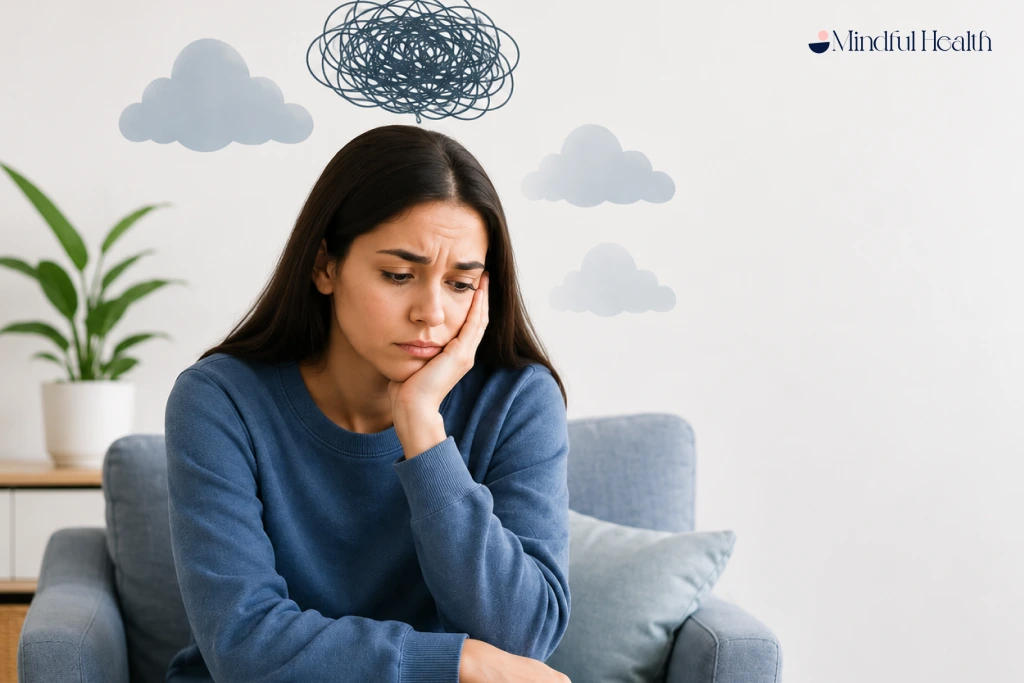
Many people with depression try medication, follow their treatment plan carefully, and give the medication enough time to work, yet still do not experience meaningful improvement. This is not a personal failure. It may be a sign of treatment-resistant depression, or TRD, which affects roughly one in three people living with major depression.
TRD can significantly affect relationships, work, and everyday life. When several treatments do not provide enough relief, it can become easy to feel discouraged or believe that nothing will work. However, additional treatment options are available.
Understanding what may contribute to treatment-resistant depression and learning about treatments beyond standard antidepressants can help individuals and their loved ones make more informed decisions about care.
What Is Treatment-Resistant Depression?
Treatment-resistant depression refers to major depressive disorder that does not improve sufficiently after trying at least two different antidepressant medications at appropriate doses and for an adequate amount of time.
Many people respond well to standard depression treatments. For others, however, symptoms may persist despite following recommended treatment approaches.
Symptoms may include:
- Persistent sadness
- Loss of interest in activities
- Fatigue and low energy
- Difficulty concentrating
- Feelings of hopelessness
- Sleep disturbances
- Changes in appetite
- Thoughts of self-harm or suicide
With TRD, these symptoms may continue despite standard treatment efforts.
Why Does Treatment-Resistant Depression Occur?
There is rarely a single cause of treatment-resistant depression. TRD may be influenced by a combination of biological, psychological, medical, and environmental factors.
Understanding these factors can help healthcare professionals determine whether a different treatment strategy may be appropriate.
Misdiagnosis or Underlying Mental Health Conditions
Sometimes symptoms that appear to be depression may also be associated with another mental health condition, such as bipolar disorder, PTSD, ADHD, an anxiety disorder, or a substance use disorder.
If an underlying or co-occurring condition is not recognized, standard depression treatment may not fully address the factors contributing to the person’s symptoms.
Biological and Genetic Factors
Brain chemistry and individual responses to medication can vary significantly from person to person.
Some individuals may metabolize medications differently, which can influence how effective a medication is. Genetic factors may also play a role in how the brain responds to certain treatments.
Chronic Stress and Trauma
Chronic stress or unresolved trauma may contribute to depression and make symptoms more difficult to treat.
In these situations, medication alone may not fully address the emotional and psychological factors contributing to ongoing symptoms.
Medical Conditions
Certain physical health conditions may complicate depression treatment.
Examples may include:
- Thyroid problems
- Hormonal imbalances
- Chronic pain
- Certain neurological conditions
Identifying and addressing these medical concerns may be an important part of developing an effective treatment plan.
Medication Challenges
Sometimes the issue may involve how a medication has been used rather than the medication itself.
Factors may include:
- An inappropriate dosage
- Not taking the medication long enough to evaluate its effectiveness
- Difficult or intolerable side effects
- Individual differences in medication response
A careful medication review can help determine whether adjustments may be needed.
Signs That Depression May Be Treatment Resistant
Recognizing possible treatment-resistant depression can help someone receive a more comprehensive evaluation rather than continuing with approaches that have not been effective.
Possible signs may include:
- Little or no improvement after trying multiple antidepressant medications
- Symptoms returning soon after treatment
- Persistent low mood despite therapy and medication
- Ongoing difficulty functioning in everyday life
- Continued emotional distress despite following a treatment plan
If these patterns continue, speaking with a mental health professional who has experience treating complex depression may be appropriate.
Available Treatment Options for Treatment-Resistant Depression
Treatment-resistant depression can be more complex to manage than depression that responds to first-line treatment. However, several evidence-based treatment approaches may be considered.
Medication Management and Adjustment
A psychiatrist may begin by carefully reviewing medications that have already been tried.
Depending on the individual, treatment may involve adjusting the dosage, switching medications, combining medications, or exploring other medication strategies.
Many people do not realize that medication management can involve several possible adjustments based on symptoms, side effects, and treatment response.
Psychotherapy
Psychotherapy can address aspects of depression that medication alone may not fully treat, including negative thought patterns, emotional distress, trauma, and chronic stress.
Cognitive Behavioral Therapy (CBT) is one commonly used therapeutic approach that can help individuals identify unhelpful thinking patterns and develop healthier coping strategies.
Intensive Outpatient Programs (IOP)
Intensive Outpatient Programs provide a more structured level of care than standard weekly therapy while allowing individuals to continue living at home.
IOPs may involve treatment several times per week and can provide therapeutic support, coping-skills development, and ongoing clinical care without requiring 24/7 hospitalization.
Partial Hospitalization Programs (PHP)
Partial Hospitalization Programs provide a higher level of structured care for individuals experiencing more significant symptoms.
PHPs generally involve intensive daytime treatment and clinical monitoring while allowing individuals to return home in the evening when appropriate.
Transcranial Magnetic Stimulation (TMS)
TMS is an FDA-approved, noninvasive treatment that uses magnetic pulses to stimulate areas of the brain involved in mood regulation.
It may be considered for individuals who have not experienced sufficient improvement with antidepressant medications and works through a different treatment mechanism.
Spravato (Esketamine)
Spravato is an FDA-approved nasal spray medication used for treatment-resistant depression.
Unlike conventional antidepressants, it affects a different pathway in the brain. For some individuals who have not responded adequately to other treatments, Spravato may provide another treatment option.
The Importance of Personalized Treatment
Treatment-resistant depression does not affect every person in the same way. A treatment that works well for one individual may be less effective for another.
That is why an individualized approach is especially important.
A comprehensive treatment plan may include:
- Psychiatric evaluation
- Therapy
- Medication management
- Advanced treatment options
- Lifestyle and wellness support
- Ongoing symptom monitoring
When treatment is based on the individual’s symptoms, medical history, needs, and treatment response rather than the diagnosis alone, there may be a greater opportunity for meaningful progress.
When to Seek Professional Help
Depression that continues despite treatment should not simply be ignored or waited out.
Professional support is especially important if symptoms interfere with everyday functioning, continue to worsen, or include thoughts of self-harm or suicide.
A comprehensive evaluation may help identify factors that previous treatments did not address and determine whether other treatment approaches should be considered.
Seeking appropriate care earlier may also help reduce the long-term impact that persistent depression can have on relationships, work, and overall quality of life.
Conclusion
If depression has not responded to treatment, it does not mean that recovery is impossible. It may mean that the treatment approach needs to be reevaluated.
Mental health care now includes several options beyond standard antidepressant treatment. For individuals who have struggled with multiple treatment approaches, specialized care may provide additional possibilities for managing persistent symptoms.
Mindful Health offers a range of mental health treatment options, including therapy, psychiatric evaluations, medication management, Intensive Outpatient Programs (IOP), Partial Hospitalization Programs (PHP), TMS therapy, and Spravato treatment.
Through personalized and coordinated care, Mindful Health helps individuals explore treatment options based on their symptoms, needs, and mental health goals.
