


Depression treatment In Texas


Comprehensive Depression Treatment Designed for Long-Term Recovery
Depression is a serious but highly treatable mental health condition that affects mood, energy, cognition, sleep, and daily functioning. At Mindful Health, we provide structured, evidence-based depression therapy and psychiatric treatment across Texas through an integrated model that combines psychotherapy, medication management, and advanced clinical interventions when appropriate.
Our team offers several comprehensive treatment options for depression at multiple Texas locations and through secure virtual appointments statewide. Whether you are experiencing persistent sadness, seasonal mood changes, or treatment-resistant depression, we develop individualized treatment plans designed for measurable improvement and long-term emotional stability.
If you have been searching for depression therapy near me or therapy for depression near me, our licensed clinicians provide accessible, coordinated care throughout Texas.
Depression does not look the same for everyone. Some individuals struggle with chronic low mood, while others experience severe episodes that disrupt work, relationships, and physical health. A comprehensive clinical evaluation allows us to determine the most effective therapy treatment for depression based on your unique presentation.
Expert care designed to help you heal, rebuild, and thrive
Depression affects millions of people, often making daily life feel heavy and difficult. If you’ve been feeling emotionally drained, unmotivated, or stuck in a pattern you can’t break, you’re not alone — and there is help available. At Mindful Health, we offer expert-guided, evidence-based care to support your healing process both online and in person.
Why Choose Mindful Health?

Warm and Welcoming Environment

Safe Space With
No Judgement

Evidenced-Based
Approach
What Is Depression?
Depression is more than temporary sadness or emotional stress. It is a medical condition involving persistent changes in mood regulation, cognitive processing, sleep patterns, appetite, and stress-response systems.
Depression can be influenced by:
- Neurotransmitter imbalances involving serotonin, dopamine, and norepinephrine
- Genetic predisposition
- Hormonal changes
- Trauma exposure
- Chronic stress
- Medical conditions
- Substance use
- Life Events
Left untreated, depression may worsen over time. Early intervention with structured evidence-based therapies significantly improves both short-term recovery and long-term resilience.
Types of Depression We Treat
Accurate diagnosis ensures appropriate treatment planning. We provide therapy and psychiatry for multiple forms of depressive disorders, including:
Major Depressive Disorder (MDD)
Characterized by persistent low mood and loss of interest lasting at least two weeks.
Persistent Depressive Disorder (PDD)
Chronic, long-term depression lasting two years or more.
Treatment-Resistant Depression (TRD)
Depression that has not responded adequately to at least two antidepressant trials. Advanced options such as TMS therapy for depression, ketamine-based treatments, or other interventional psychiatry approaches may be considered.
Postpartum Perinatal Depression
Mood disturbances during pregnancy or after childbirth.
Seasonal Affective Disorder (SAD)
Depression linked to seasonal light changes. We provide structured therapy for seasonal depression, and when appropriate, recommend light therapy for winter depression as part of a comprehensive plan.
Depression with Co-Occurring Anxiety
Many patients benefit from cognitive behavioral therapy for anxiety and depression, especially when symptoms overlap.
Depression Related to Trauma
Depressive symptoms rooted in unresolved traumatic experiences requiring trauma-informed care.
Common Symptoms of Depression
Depression affects individuals differently, but common symptoms include:
- Persistent sadness or emotional numbness
- Loss of interest in activities
- Low energy or fatigue
- Sleep disturbances
- Appetite or weight changes
- Difficulty concentrating
- Feelings of guilt or worthlessness
- Slowed thinking or movement
- Thoughts of self-harm or suicide
Symptoms lasting longer than two weeks and impairing daily functioning warrant professional evaluation and an evidence-based approach in therapy.

Our Depression Treatment Options
We provide multiple evidence-based approaches to meet your needs and preferences. Each plan is tailored based on your symptoms, history, and goals.

Talk Therapy
Our licensed therapists use proven methods like cognitive behavioral therapy (CBT) to help you understand emotions, identify patterns, and build healthier habits. Sessions are available online or at local offices.
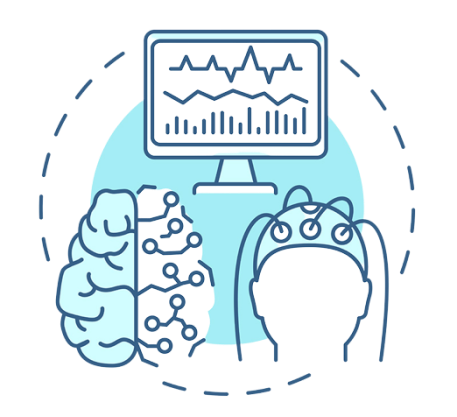
Transcranial Magnetic Stimulation (TMS)
TMS therapy is a non-invasive, FDA-cleared treatment for individuals with treatment-resistant depression. It works by stimulating areas of the brain involved in mood regulation using magnetic pulses.
Spravato (Esketamine)
Spravato is a nasal spray medication approved for adults with treatment-resistant depression. Administered under supervision in a clinical setting, it provides fast-acting relief and is often used when other treatments haven’t worked.

Holistic Wellness Integration
For a well-rounded approach, we incorporate mindfulness, movement, nutrition, and lifestyle support. Depression treatment doesn’t exist in isolation — and we treat the whole person, not just the symptoms.
Why you choose Mindful Health ?
- Integrated approach to depression treatment
- Licensed and compassionate professionals
- Advanced care options including TMS and Spravato
- In-person and online flexibility
- Care plans tailored to your goals and lifestyle
How Depression Affects the Brain and Body
Depression is both psychological and physiological.
Neurobiological Effects
Depression alters neural circuits responsible for mood regulation. Imbalances in serotonin and dopamine influence emotional stability, motivation, and reward processing. In more severe or treatment-resistant cases, interventional options such as TMS therapy for depression or other neuromodulation approaches may help stimulate underactive neural pathways.
Stress Hormone Disruption
Chronic depression can dysregulate cortisol, the body’s primary stress hormone. Elevated or irregular cortisol levels contribute to fatigue, sleep disruption, and immune suppression.
Cognitive Impact
Depression may impair executive functioning, memory retention, and decision-making abilities.
Physical Health Consequences
Untreated depression increases risk for cardiovascular disease, chronic pain disorders, and metabolic disruption.
Understanding these biological mechanisms reinforces why structured therapy and psychiatric treatment are essential.
Emotional, Social & Relationship Impact
Depression can strain personal relationships and social functioning. Individuals may withdraw from friends and family, experience reduced desire to communicate, or struggle with irritability.
In the workplace or academic settings, productivity often declines due to concentration difficulties and low motivation.
Evidence-based approaches such as CBT used in therapy can improve both mood regulation and relational functioning.
Risk Factors for Developing Depression
Depression can affect anyone, but risk factors include:
- Family history of mood disorders
- Major life stressors or trauma
- Chronic illness
- Substance misuse
- Hormonal shifts (postpartum, thyroid disorders)
- Social isolation
- High occupational stress
- Life Changes
Identifying risk factors allows clinicians to tailor preventive and therapeutic strategies.
When to Seek Professional Help
Professional help for depression should be considered when:
- Symptoms persist beyond two weeks
- Functioning declines at work or school
- Sleep and appetite significantly change
- Antidepressants have not been effective
- Thoughts of self-harm arise
If you are searching for therapy near me for depression, early clinical intervention improves long-term outcomes and reduces recurrence risk.
Our Depression Treatment Options
We provide a multi-layered treatment approach tailored to symptom severity and patient history.
Therapy for Depression
Our therapists utilize evidence-based depression therapies such as:
- Cognitive Behavioral Therapy (CBT)
- Acceptance and Commitment Therapy (ACT)
- Dialectical Behavioral Therapy (DBT)
- Interpersonal Therapy(IPT)
Cognitive behavioral therapy for depression is one of the most extensively researched treatments. CBT focuses on restructuring negative thought patterns,reducing avoidance behaviors and behavioral activation of healthy behaviors. For patients with co-occurring anxiety, cognitive behavioral therapy provides integrated symptom management.
Psychiatry & Medication Management
Medication may assist in stabilizing neurotransmitter activity. Our psychiatric providers conduct structured assessments and ongoing follow-ups to monitor the effectiveness and side effects of the latest and most effective psychotropic medication options.
Medication decisions are individualized and evidence-driven. For some patients, interventional options such as ketamine therapy for depression or esketamine (Spravato) may be considered under medical supervision.
Transcranial Magnetic Stimulation (TMS)
TMS therapy for depression is FDA-cleared for treatment-resistant depression. It uses targeted magnetic pulses to stimulate underactive areas of the brain involved in mood regulation.
This non-invasive alternative to traditional shock therapy for depression (electroconvulsive therapy, or ECT) does not require anesthesia and has less side effects.
Spravato (Esketamine) Therapy
Spravato is a fast-acting, FDA-approved medication administered under supervision for treatment-resistant depression. It may provide symptom relief when other antidepressants have failed.
Intensive Outpatient & Partial Hospitalization Programs
IOP and PHP provide structured, higher-level support for individuals needing more frequent therapeutic engagement. These programs maintain community integration while offering intensive therapy and psychiatry treatment for depression.
Holistic Wellness Integration
Depression recovery benefits from attention to:
- Sleep hygiene
- Nutrition
- Physical movement
- Stress management
- Mindfulness practices
Whole-person care strengthens emotional resilience and complements structured depression therapy.
How We Personalize Depression Treatment
Every patient begins with a comprehensive clinical evaluation. We assess symptom severity, prior treatment history, trauma exposure, lifestyle factors, and medical background.
We use structured measurement tools such as standardized depression scales to track progress and guide adjustments. Whether a patient requires weekly therapy, medication management, or advanced interventions such as TMS or ketamine therapy for depression, treatment plans evolve based on measurable outcomes and patient goals.
Preventing Relapse and Supporting Long-Term Recovery
Depression can be episodic. Preventive strategies reduce recurrence risk.
Relapse prevention may include:
- Maintenance therapy
- Medication continuation when appropriate
- Structured follow-up
- Skill development for stress management
- Lifestyle stabilization
Long-term monitoring strengthens sustainable recovery.
Why Choose Mindful Health for Depression Treatment in Texas?
Patients across Texas choose Mindful Health because we provide:
- Integrated therapy and psychiatry
- Advanced treatments including TMS and ketamine-based options
- Structured IOP and PHP programs
- Licensed Texas clinicians
- Multiple in-person clinic locations
- Secure virtual services statewide
- Individualized, evidence-based care
Our goal is sustained improvement — not temporary symptom relief.
Depression Treatment Locations in Texas
We provide in-person depression treatment at:
- Cypress
- Georgetown
- San Antonio
- Heath
- Rockwall (child & teen services)
- Conroe
Virtual services are available statewide for patients seeking therapy in the comfort of their own home across Texas.


FAQs About Depression Treatment
Ready to get started?
Your journey to feeling better starts with a single step. Contact us or schedule a session to explore your options for therapy, TMS, or Spravato treatment.
