



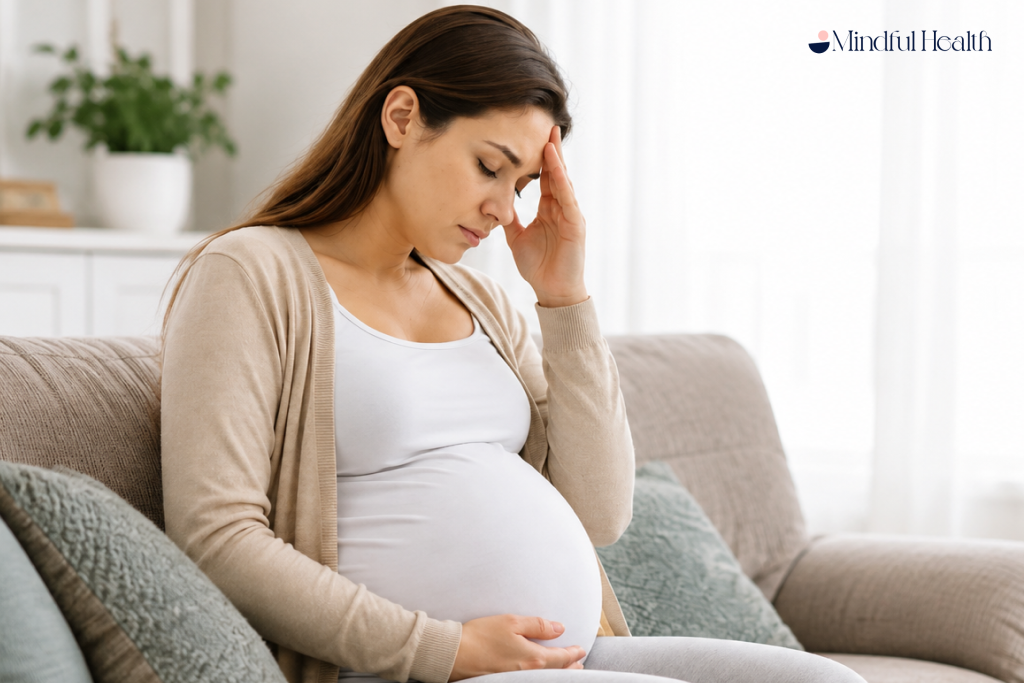
Pregnancy brings many physical, emotional, and hormonal changes at once. While occasional mood changes can be a normal part of pregnancy, persistent sadness, anxiety, hopelessness, or emotional distress may indicate something more serious, such as prenatal depression. Depression during pregnancy can occur at any stage and may affect a person’s emotional well-being, relationships, self-care, and daily functioning.
Unlike a temporary period of sadness or stress, prenatal depression can interfere with everyday life and make pregnancy feel especially difficult.
Understanding the risk factors, recognizing the signs, and knowing which treatment options are available can help you identify when professional support may be needed and take meaningful steps toward feeling better.
What Is Depression During Pregnancy?
Depression during pregnancy is a recognized mental health condition, not simply a period of stress or a temporary emotional low. It can involve persistent feelings of sadness, emptiness, hopelessness, or a loss of interest in activities that may continue for weeks or longer.
It may affect your thoughts, mood, energy levels, and ability to manage everyday responsibilities. Depression can also make it more difficult to feel emotionally connected to the pregnancy or prepare for motherhood.
Some symptoms of depression can overlap with common pregnancy-related changes, such as fatigue, sleep difficulties, or changes in appetite. This can sometimes make prenatal depression more difficult to recognize.
Risk Factors That Increase the Chances of Depression During Pregnancy
Several factors may increase the likelihood of experiencing depression during pregnancy.
Personal or Family History of Depression
If you have previously experienced depression, anxiety, bipolar disorder, or another mental health condition, your risk of developing depression during pregnancy may be higher.
A family history of depression or other mental health conditions may also increase the risk.
Hormonal and Physical Changes
Hormonal changes during pregnancy can affect mood and emotional well-being. Physical discomfort, fatigue, sleep disturbances, and other pregnancy-related changes may also contribute to emotional stress and symptoms of depression.
Lack of Emotional or Social Support
Pregnancy can be more difficult when you feel unsupported by your partner, family, or friends. Limited emotional or practical support may contribute to feelings of loneliness, isolation, and increased stress.
Relationship and Financial Stress
Relationship difficulties, concerns about becoming a parent, financial stress, or major life changes can increase emotional strain during pregnancy and may contribute to a higher risk of depression.
Pregnancy-Related Challenges and Previous Trauma
A high-risk pregnancy, medical complications, fertility challenges, a previous miscarriage, or past traumatic experiences may create additional emotional stress and increase vulnerability to prenatal depression.
Common Signs and Symptoms of Depression During Pregnancy
Some people may assume that emotional difficulties are simply part of pregnancy. While occasional mood changes can occur, persistent symptoms that begin to interfere with daily life should not be ignored.
Signs and symptoms may include:
- Feeling persistently sad or down
- Frequent or excessive crying
- Feelings of hopelessness
- Loss of interest in activities you once enjoyed
- Excessive guilt or feelings of worthlessness
- Difficulty concentrating
- Increased irritability
- Significant changes in appetite
- Sleeping much more or less than usual
- Feeling unusually tired beyond typical pregnancy fatigue
- Withdrawing from family and friends
- Persistent worry or anxiety
Some women may also feel emotionally disconnected from their pregnancy.
In more serious cases, thoughts of self-harm or suicide may occur. These symptoms require immediate professional attention.
How Depression During Pregnancy Can Affect Daily Life
Prenatal depression involves more than feeling sad. It can affect many areas of everyday life.
Depression may make it difficult to manage work, household responsibilities, prenatal appointments, self-care, and relationships with family and friends. Emotional exhaustion and reduced motivation can also make even simple daily tasks feel difficult.
Depression may also contribute to relationship strain by making communication more difficult, increasing conflict, or causing emotional withdrawal and isolation.
Without appropriate support, these difficulties may reinforce one another and become more challenging over time.
Treatment Options for Depression During Pregnancy
Depression during pregnancy is treatable, and many women experience meaningful improvement with appropriate professional support.
Treatment will depend on the severity of symptoms, individual circumstances, medical history, and personal needs.
Therapy and Counseling
Therapy can be an effective treatment option for depression during pregnancy. Approaches such as Cognitive Behavioral Therapy (CBT) and Interpersonal Therapy (IPT) may help individuals identify negative thought patterns, process difficult emotions, improve relationships, and develop healthier coping strategies.
Therapy also provides a supportive environment to discuss fears, concerns, and emotional challenges related to pregnancy and becoming a parent.
Psychiatric Evaluation and Medication Management
For some women, a psychiatric evaluation may help determine the severity of symptoms and identify appropriate treatment options.
In certain situations, medication may be considered as part of a treatment plan after carefully evaluating the potential benefits and risks.
Decisions about medication during pregnancy should be made in consultation with qualified healthcare professionals who have experience treating mental health conditions during pregnancy.
Lifestyle Changes and Self-Care Strategies
Healthy daily habits can support emotional well-being during pregnancy and complement professional treatment.
Helpful strategies may include:
- Maintaining a consistent sleep schedule
- Staying physically active when medically appropriate
- Eating a balanced diet and following regular meal times
- Practicing relaxation techniques
- Reducing unnecessary stress when possible
- Spending time with supportive and trustworthy people
Lifestyle changes alone may not treat clinical depression, but they can support overall mental and physical well-being alongside professional care.
Building a Strong Support System
Having reliable support during pregnancy can make a meaningful difference.
Partners, family members, friends, support groups, and trusted healthcare professionals can provide encouragement, practical assistance, and emotional support during difficult periods.
Feeling supported may also make it easier to discuss emotional challenges and seek professional help when needed.
Structured Mental Health Programs for Severe Symptoms
For individuals experiencing more severe symptoms, a structured mental health program may provide a higher level of support.
These programs may offer more frequent care, professional monitoring, therapeutic support, and coping strategies when symptoms significantly interfere with everyday functioning.
When Should You Seek Professional Help?
Pregnancy can involve emotional and physical stress, but persistent mental health concerns should not be dismissed.
If feelings of sadness, anxiety, hopelessness, or emotional distress continue for more than two weeks or interfere with your ability to function, it may be time to speak with a mental health professional.
Early support can help prevent symptoms from becoming more severe and provide practical strategies for managing emotional challenges.
Consider reaching out for professional support if you are experiencing:
- Persistent sadness or hopelessness
- Difficulty managing everyday responsibilities
- Severe or ongoing anxiety
- Significant changes in sleep or appetite
- Withdrawal from family and friends
- Difficulty feeling connected to the pregnancy
- Thoughts of self-harm or suicide
Seeking support is an important step toward protecting your mental health and overall well-being during pregnancy.
Conclusion
Experiencing depression during pregnancy can make an already significant period of physical and emotional change feel overwhelming. Feelings of sadness, anxiety, guilt, or emotional exhaustion do not define your ability to become a caring parent.
Recognizing symptoms early and seeking appropriate support can help you manage emotional challenges and improve your well-being throughout pregnancy.
At Mindful Health, our experienced mental health professionals understand the emotional complexities that can arise during pregnancy. Our team provides compassionate support, personalized care, and evidence-based treatment to help individuals navigate difficult emotions and move forward with greater confidence, stability, and hope.
