


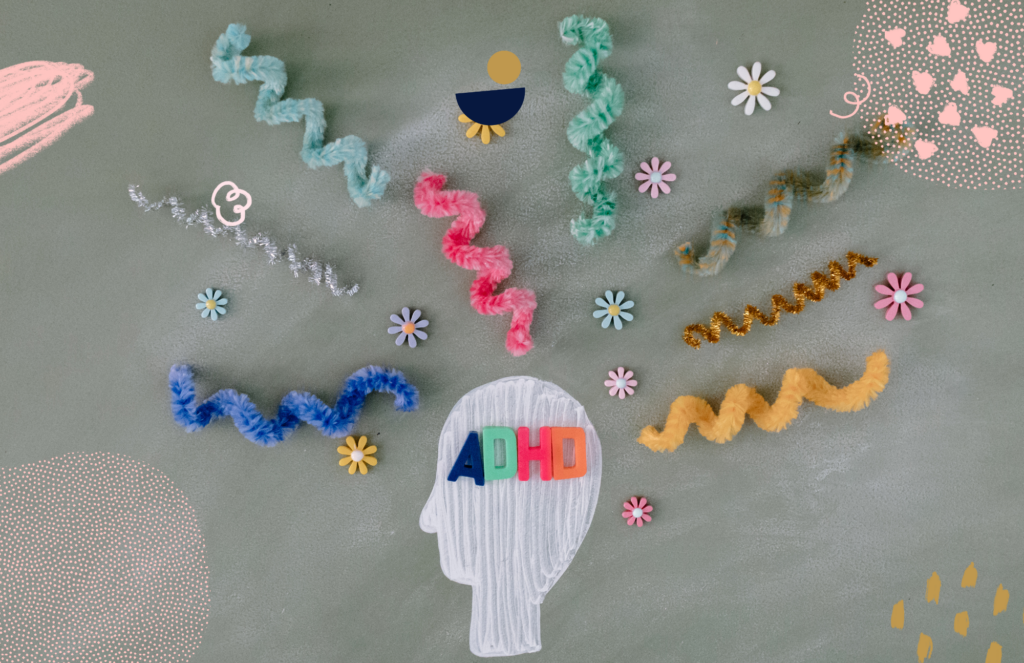
What looks like laziness, defiance, carelessness, or emotional overreaction in a teen with ADHD is often connected to executive functioning difficulties—not a lack of effort or character.
Parenting a teen can be challenging enough, but when your child has ADHD, it adds unique layers of complexity and requires a specialised approach. ADHD, or Attention-Deficit/Hyperactivity Disorder, is a neurodevelopmental disorder that affects focus, impulse control, and self-regulation.
While these symptoms may have been noticeable during childhood, the increasing demands of adolescence can make them more visible. As school pressures, social relationships, and self-awareness grow, many parents may feel at a loss for how to best support their ADHD teen.
Understanding ADHD and how it presents in adolescents is key to navigating these years together, fostering patience, empathy, and empowerment along the way.
ADHD often runs in families. For parents who have noticed similar patterns across generations, our guide to understanding the hereditary nature of ADHD explains how genetics may contribute.
ADHD Symptoms in Teens: What Parents Need to Recognise
ADHD doesn’t look the same for every teen. Understanding the range of symptoms can help you recognise how ADHD affects your child at home, at school, and in relationships.
Inattention and Distractibility
Teens with ADHD often have trouble focusing on tasks, whether it’s schoolwork, chores, or conversations. They might miss assignments, forget instructions, lose personal items, or struggle to keep track of their daily activities.
Adults may interpret this behaviour as disrespect or a lack of interest. In many cases, however, the teen is struggling to regulate attention, hold instructions in working memory, or filter out distractions.
A teen may also focus intensely on an activity they find interesting while struggling to begin a routine or less rewarding task. This inconsistency can confuse parents, but it does not necessarily mean the teen is choosing when to “have” ADHD.
Impulsivity
Impulsive behaviours are common in ADHD, which can lead to riskier decision-making, rule-breaking, interrupting, overspending, or acting without thinking.
Adolescents are already more likely to test limits and seek new experiences. ADHD can amplify this tendency by making it harder to pause, consider consequences, and control an immediate response.
Impulsivity should not automatically be treated as delinquency or bad character. Clear limits are still important, but teens also need practical support for slowing down and thinking through decisions.
Emotional Regulation Challenges
Teens with ADHD might feel emotions more intensely, experiencing heightened highs and lows. They may struggle with frustration, especially when they feel misunderstood or are criticised often.
A small disappointment may lead to anger, tears, withdrawal, or an emotional shutdown. These reactions can appear disproportionate from the outside, but the teen may genuinely feel overwhelmed in that moment.
Emotional regulation difficulty does not excuse harmful behaviour. It does mean that correction is more effective when it is paired with skills for calming down, naming emotions, and repairing the situation.
Executive Functioning Difficulties
Executive functioning includes planning, time management, organisation, task initiation, working memory, and the ability to move from one activity to another.
Executive functioning difficulties make it hard to independently manage tasks such as meeting project deadlines, preparing for an exam, keeping a bedroom organised, or remembering important dates.
A teen may fully understand an assignment and still struggle to decide where to begin. Breaking tasks into smaller steps, using visual reminders, and creating clear start times can reduce this mental load.
Each of these symptoms can make adolescence even more challenging, but with understanding, empathy, and structure, you can help your child feel supported and capable.
The Emotional Impact of ADHD on Teens
Living with ADHD often affects more than attention—it can have a deep emotional impact.
Self-Esteem Challenges
Frequent criticism from peers, teachers, and family members, combined with an awareness of their struggles, can lower a teen’s self-esteem.
They may compare themselves to classmates or siblings and feel that they must work twice as hard to achieve similar results. After hearing words such as “careless,” “lazy,” or “irresponsible,” some teens begin using those labels to describe themselves.
Parents can help by separating the behaviour from the teen’s identity. A missed deadline is a problem to solve; it is not proof that the teen is a failure.
Frustration and Overwhelm
Teens with ADHD often feel like they’re pushing against an invisible wall, expending more energy to complete tasks that other people find simple.
This chronic frustration can leave them feeling inadequate or misunderstood. School deadlines, changing classes, extracurricular activities, family expectations, and social demands may all compete for their attention.
Sleep difficulties can add to the exhaustion and make focus, irritability, and emotional regulation worse. Our guide to ADHD and sleep problems explains why these concerns often occur together.
Social Struggles
ADHD symptoms can affect social interactions, leading to misunderstandings or conflicts with friends.
Impulsivity and inattention may be misinterpreted as disinterest or lack of respect. A teen may interrupt, miss part of a conversation, forget plans, react emotionally, or struggle to notice when someone else wants to speak.
Support should focus on helping the teen understand social feedback without making them feel ashamed of who they are.
Risk of Co-Occurring Conditions
Many teens with ADHD also experience anxiety, depression, behavioural concerns, learning disorders, sleep problems, or other mental health conditions.
Parents should watch for significant changes such as ongoing sadness, excessive worry, hopelessness, withdrawal, falling grades, loss of interest, severe irritability, or changes in eating and sleeping.
The CDC reports that many children with ADHD have at least one co-occurring condition, including anxiety, depression, learning disorders, behavioural disorders, or autism. Recognising and addressing these conditions is essential for holistic support.
Mindful Health provides care for anxiety in children and teens when worry, avoidance, panic, or physical anxiety symptoms occur alongside ADHD.
ADHD in Teen Girls: Why It Often Goes Undetected
ADHD in girls is frequently missed until adolescence or adulthood.
Many people still picture ADHD as a highly active child who cannot remain seated. Although girls can experience hyperactivity and impulsivity, they are more likely than boys to be referred for quieter inattentive difficulties such as daydreaming, forgetfulness, poor organisation, difficulty starting work, and appearing mentally absent.
Because these symptoms may not disrupt a classroom, they can be easier for adults to overlook. A teen girl may receive good grades while spending far more time than her peers completing assignments, relying on last-minute pressure, or becoming emotionally exhausted from trying to appear organised.
Some girls develop compensatory or masking strategies. They may copy classmates’ routines, check their work repeatedly, rely heavily on friends, or hide how much they are struggling. Internally, they may feel overwhelmed, anxious, or convinced that they are simply not trying hard enough.
Research and clinical consensus have documented barriers to recognising ADHD in girls and women, including inattentive presentations, internalised symptoms, compensatory strategies, and co-occurring anxiety or depression.
A late diagnosis is still valid. Recognising ADHD during adolescence can help a teen understand that her difficulties are not evidence of laziness or low ability. It can also give parents a more accurate way to provide support.
Parents who did not recognise these signs earlier should not blame themselves. ADHD presentations can be subtle, and public understanding of how ADHD affects girls continues to develop.
How to Support Your ADHD Teen at Home
Supporting your child without adding to their frustration can be challenging. The goal is not to remove every responsibility but to provide enough structure for the teen to build skills gradually.
Model Empathy and Patience
Show that you’re trying to understand your teen’s perspective, even when it’s challenging.
Validate their experiences, frustrations, and emotions, reminding them that ADHD is a part of them but doesn’t define them. Validation does not mean agreeing with every decision or removing consequences. It means acknowledging that the difficulty is real.
Instead of beginning with “Why did you do this again?” try beginning with, “I can see that this became overwhelming. Let’s understand what happened and decide what needs to change.”
Encourage Open Communication
Create space for honest conversations about ADHD. Ask your teen how ADHD affects their daily life, and listen to their challenges without immediately correcting, lecturing, or offering a solution.
Your openness sets the stage for mutual trust and helps them feel seen and heard. Some teens communicate more comfortably during a walk, car journey, shared activity, or another situation where direct eye contact is not required.
Be curious about which strategies help and which ones make the teen feel controlled. Collaborative problem-solving is often more effective than imposing a system the teen does not understand or accept.
Foster Routines
Teens with ADHD often benefit from structured routines and task segmentation. Help them create manageable steps for schoolwork and daily responsibilities.
A consistent routine reduces the number of decisions the teen must make. It can include a regular wake-up time, a visible morning sequence, a set homework period, and a short evening preparation routine.
Keep routines realistic. A complicated system with too many steps may be abandoned quickly. Begin with one difficult part of the day, create a simple plan, and adjust it together.
Use Positive Reinforcement
Celebrate small wins and effort rather than focusing only on what didn’t get done. ADHD teens often respond well to positive reinforcement, so acknowledging their achievements can support motivation and self-esteem.
Praise works best when it is specific. Instead of saying only, “Good job,” say, “I noticed that you started your assignment without being reminded,” or, “You were frustrated, but you paused before responding.”
Positive reinforcement does not mean ignoring poor choices. Parents can hold clear expectations while also noticing progress, responsibility, and skill development.
Help With Organisation
Assist your teen in creating and sticking to organisational systems, such as planners, task apps, labelled folders, whiteboards, or digital calendars.
The best system is not the most advanced one. It is the one your teen will actually use. Allow them to test different tools and take increasing ownership over the system.
A weekly planning session can help the teen review assignments, appointments, activities, and upcoming deadlines. Over time, the parent can step back as the teen becomes more independent.
Setting Boundaries and Encouraging Independence
Supporting your ADHD teen’s development involves helping them build independence within safe and predictable boundaries.
Balance Structure and Freedom
Create a foundation of structure but allow space for autonomy. Teens need opportunities to make decisions within agreed guidelines, helping them practise responsibility without feeling controlled.
Be clear about which rules are non-negotiable, such as safety, school attendance, medication use, or respectful communication. Allow more flexibility in areas such as clothing, hobbies, bedroom organisation, or how the teen completes an appropriate task.
When possible, involve your teen in deciding the rule, the reason behind it, and the consequence for not following it.
Teach Time-Management Skills
Encourage your teen to prioritise tasks, break down larger assignments, and use visual aids such as clocks, timers, calendars, apps, reminders, or alarms.
Some people use the informal term time blindness to describe difficulty sensing how much time has passed or estimating how long a task will take. A teen may genuinely believe that ten minutes is enough time to get dressed, find school materials, eat breakfast, and leave the house.
Rather than repeatedly saying “hurry up,” help your teen measure how long routines actually take. Build in transition warnings and allow extra time for tasks that regularly create delays.
Encourage Healthy Decision-Making
Teach your teen to think through the potential consequences of their choices. Encourage them to pause before acting and reflect on their decisions.
A simple decision framework can help: What am I about to do? What might happen next? Does this choice move me toward or away from my goal?
Teens also need opportunities to make manageable mistakes. When safety is not at risk, allow natural consequences to become part of the learning process instead of immediately rescuing them.
What Not to Say to Your ADHD Teen—and What to Say Instead
Even well-meaning parents sometimes use words that unintentionally hurt an ADHD teen. This is not about blaming parents. It is about replacing language that creates shame with language that encourages responsibility and problem-solving.
ADHD teens may already feel criticised or different from their peers. Repeated messages that they are lazy, careless, or not trying hard enough can damage self-esteem and make them defensive.
| Instead of… | Try… |
|---|---|
| “You just need to try harder.” | “I can see you’re trying. Let’s work out which part is making it difficult to start.” |
| “Why can’t you be more like your brother or sister?” | “You have your own strengths and challenges. Let’s find a system that works for you.” |
| “You always do this.” | “I noticed this has happened several times. What pattern are you noticing?” |
| “You never listen.” | “I need your attention for one instruction. Tell me when you’re ready.” |
| “It’s not that hard.” | “This seems harder for you than I expected. Let’s break it into smaller steps.” |
| “You’re irresponsible.” | “Missing the deadline created a problem. Let’s make a plan to handle the next one differently.” |
Use observations instead of judgments. Saying, “I noticed you’ve been struggling with the morning routine,” invites discussion. Saying, “You are impossible every morning,” turns a solvable problem into an attack on identity.
Collaborative phrases such as “Let’s figure this out together” show support without removing the teen’s responsibility. Communication changes take practice, especially when family relationships are already tense.
Family therapy can help parents and teens develop a shared language, practise healthier conflict resolution, and understand one another’s needs.
Collaborating With School and Mental Health Professionals
Getting support outside the home can make a significant difference for your ADHD teen.
Partner With the School
Contact your teen’s school to discuss how ADHD affects learning, organisation, classroom behaviour, and assignment completion.
Depending on eligibility and individual needs, an Individualized Education Program, or IEP, or a Section 504 plan may provide support. Possible accommodations include extended test time, reduced-distraction testing areas, movement breaks, written instructions, organisational assistance, assistive technology, or help breaking larger assignments into stages.
The CDC notes that IEPs and 504 plans can provide accommodations such as extra time, tailored assignments, positive feedback, movement breaks, technology support, reduced distractions, and organisational help.
Ask teachers for specific observations rather than general statements. Questions such as “When does focus appear strongest?” and “Which assignments are regularly missed?” can reveal patterns that guide support.
Keep communication focused on shared goals. Parents, teachers, counsellors, and the teen should work as a team rather than treating the teen as the problem.
Therapy and Counselling
Working with a mental health professional can address ADHD and co-occurring conditions such as anxiety or depression.
Therapists can teach coping strategies for emotional regulation, organisation, communication, stress management, and problem-solving. Therapy can also provide a private space for the teen to discuss identity, relationships, school pressure, and self-esteem.
ADHD coaching may help some teens develop practical systems for planning, accountability, and time management. Coaching should complement—not replace—appropriate clinical care when mental health symptoms are also present.
Medication Management
Medication may benefit some teens with ADHD. Decisions about medication should be made by the teen, parent or guardian, and a qualified prescribing clinician based on symptoms, health history, functioning, side effects, and treatment goals.
If your teen takes medication, monitor its effects and maintain open communication with healthcare providers. Report concerns about sleep, appetite, mood, anxiety, headaches, or changes in behaviour.
Medication is not a complete parenting or organisational strategy. When prescribed, it is often combined with behavioural support, school accommodations, therapy, and healthy routines.
Mindful Health’s child and adolescent programming supports young people and families experiencing ADHD, anxiety, depression, behavioural challenges, and related concerns.
When to Seek Professional Help for Your ADHD Teen
Knowing when to involve a professional is one of the most important things a parent of an ADHD teen can do.
Consider seeking an evaluation when ADHD symptoms significantly interfere with school performance, friendships, family relationships, safety, or daily functioning despite consistent home and school support.
Professional help is also important when your teen shows persistent anxiety, sadness, hopelessness, severe irritability, social withdrawal, repeated risky behaviour, substance use, major sleep changes, or oppositional behaviour that is not improving.
Therapy may be appropriate when your teen expresses significant distress about ADHD, describes themselves as a failure, avoids important activities, or experiences ongoing conflict with family members.
A psychiatric evaluation may help when diagnosis remains unclear, symptoms are severe, co-occurring conditions are suspected, or the family has questions about medication.
Seeking help is not a sign of parenting failure. ADHD is a neurodevelopmental condition that may require professional support, just like other health conditions.
Mindful Health offers teen mental health services through in-person and virtual care across Texas.
If your teen expresses thoughts of self-harm or suicide, appears unable to remain safe, or is experiencing a mental health emergency, seek urgent local emergency support immediately.
Building Self-Esteem and Resilience
Raising an ADHD teen can feel like a rollercoaster, but there are ways to foster resilience and self-worth.
Encourage Their Strengths
ADHD teens often have creativity, adaptability, curiosity, humour, energy, or resilience. Supporting their interests—whether in art, sports, technology, music, volunteering, or other pursuits—can help them recognise their talents and unique abilities.
Strength-based support does not ignore difficulties. It gives the teen an identity that is larger than grades, mistakes, unfinished tasks, or a diagnosis.
Promote Self-Compassion
ADHD can lead to self-criticism, so teaching your teen to be kind to themselves is essential.
Celebrate progress, no matter how small, and remind them that challenges are part of growth. Help them replace “I always mess everything up” with a more accurate statement such as, “This is difficult for me, but I can learn a better system.”
Parents can model self-compassion by acknowledging their own mistakes, apologising when necessary, and showing that improvement does not require perfection.
Support Peer Connections
Encourage friendships with people who understand or respect your teen’s experiences.
Whether through formal support groups, hobbies, sports, clubs, or community activities, social connections can help your teen feel less alone.
Support quality rather than popularity. One or two safe, accepting friendships may be more valuable than trying to fit into a larger social group that leaves the teen feeling Judged.
Conclusion: Growing Together
Parenting an ADHD adolescent is an evolving journey that requires patience, flexibility, and openness. ADHD presents unique challenges, but by providing your teen with understanding and guidance, you’re empowering them to thrive.
Remember, each small step can lead to meaningful change for both of you. You’re not alone—resources, communities, schools, and professionals are ready to support you and your child along the way.
Together, parents and teens can navigate the ups and downs of ADHD with resilience, strength, and hope.
FAQs About Parenting a Teen With ADHD
Q. What are the signs of ADHD in a teenager?
Common signs include difficulty sustaining attention, forgetfulness, impulsive decisions, emotional reactions, disorganisation, poor time management, missed deadlines, and trouble beginning or completing tasks. Some teens appear visibly restless, while others mainly struggle with quiet inattentive symptoms. ADHD looks different in every teenager.
Q. How do I get my ADHD teen to listen?
Begin by getting your teen’s attention before giving an instruction. Keep directions short, give one or two steps at a time, and ask the teen to repeat important information. Written reminders and positive reinforcement may work better than repeated criticism. Assume attention difficulty before assuming intentional disrespect.
Q. Does ADHD get worse during the teenage years?
ADHD does not necessarily become more severe, but adolescence brings more complex schoolwork, social pressure, independence, and organisational demands. These changes can make existing symptoms more visible and impairing. Some teens also develop stronger coping skills and experience improvement with appropriate treatment and support.
Q. Is ADHD different in teen girls than boys?
ADHD can affect any gender, but girls are more likely to be overlooked because they often show quieter inattentive or internalised symptoms. They may mask their struggles and appear organised while experiencing exhaustion, anxiety, forgetfulness, and self-blame. This can result in a later diagnosis.
Q. When should I get my teen evaluated for ADHD?
Seek an evaluation when symptoms have persisted for at least six months, occur across settings, and interfere with school, relationships, family life, or daily responsibilities. A qualified clinician should also assess whether anxiety, depression, trauma, sleep problems, learning disorders, or another condition better explains the symptoms. Learn about Mindful Health’s child and adolescent programming.