



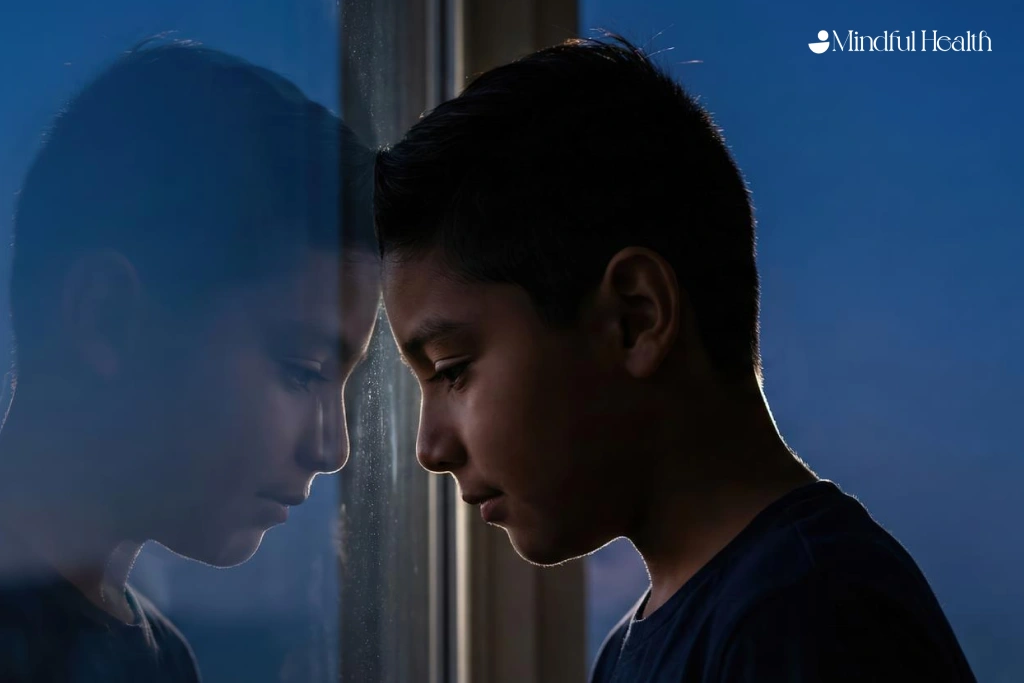
Teen loneliness is not discussed enough, and that can make it difficult for families to recognize when a teenager is struggling. Many teenagers may appear completely fine from the outside. They attend school, spend time with classmates, use social media, and participate in everyday activities while privately feeling emotionally disconnected or alone.
Loneliness in teenagers is not simply about being physically alone. It is often about feeling misunderstood, unsupported, or disconnected from meaningful relationships. Academic pressure, unhealthy friendships, social media comparison, family difficulties, and mental health concerns such as anxiety and depression may all contribute to feelings of loneliness.
When loneliness remains unaddressed, it can begin to affect sleep, academic performance, self-esteem, emotional regulation, and everyday functioning. Recognizing these signs early and providing appropriate support can make an important difference in a teenager’s emotional well-being.
What Is Loneliness?
Loneliness is the feeling of being emotionally disconnected or unsupported, even when other people are present.
For teenagers, loneliness may develop when important emotional needs are not being met, including the need to belong, feel understood, and experience meaningful connection with others.
A lonely teenager is not always someone who sits alone or avoids social situations. Many teenagers experiencing loneliness may still socialize, attend school, participate in activities, and remain active on social media.
The emotional struggle may not be immediately visible to others.
When loneliness persists over time, it may affect emotional development, self-confidence, relationships, academic performance, and everyday functioning.
Why Loneliness Is Increasing Among Teenagers
Teenagers today face a range of emotional and social pressures.
Social media, academic expectations, changing relationships, and fewer meaningful face-to-face interactions may all contribute to feelings of isolation, even when a teenager is surrounded by other people.
Social Media and Digital Comparison
Teenagers may spend hours a day viewing carefully curated social media content that highlights other people’s friendships, appearance, achievements, and social lives.
Frequent comparison can negatively affect self-esteem and create the impression that others are happier, more successful, or more socially connected.
Over time, these comparisons may contribute to loneliness and a reduced sense of belonging.
Academic and Social Pressure
Maintaining strong grades, meeting expectations from parents and teachers, participating in activities, and feeling socially accepted can create significant pressure.
When teenagers feel as though they are constantly falling short of expectations, they may experience emotional fatigue, reduced confidence, and greater isolation.
Bullying and Peer Rejection
Being excluded, mocked, criticized, or rejected by peers can significantly affect a teenager’s sense of safety and self-worth.
Repeated negative social experiences may make teenagers hesitant to trust others or participate in social situations, increasing the likelihood of loneliness.
Family Communication Gaps
When teenagers do not feel emotionally safe discussing their concerns at home, they may keep their feelings to themselves.
If conversations frequently become critical, dismissive, or argumentative, teenagers may become less willing to communicate openly with family members.
Anxiety and Depression
Mental health concerns can intensify feelings of loneliness.
When a teenager is already experiencing anxiety or depression, social withdrawal may feel easier than interacting with others.
Over time, this withdrawal can deepen emotional isolation.
Common Signs of Loneliness in Teens
Loneliness can be difficult to recognize because some teenagers continue appearing socially engaged even while feeling emotionally isolated.
Understanding behavioral, emotional, and routine changes can help parents identify concerns earlier.
Emotional Withdrawal
A teenager may begin pulling away from friends or family members they were previously close to.
They may also stop participating in activities, events, or hobbies they once enjoyed.
Increased Irritability or Mood Changes
Loneliness may contribute to frustration, sadness, irritability, or emotional sensitivity.
A teenager who becomes more tearful, easily upset, or frequently irritated may be experiencing greater emotional distress.
Loss of Interest in Activities
A sudden loss of interest in sports, hobbies, social activities, or other previously enjoyable experiences may indicate emotional difficulties.
Changes that continue over time may deserve closer attention.
Changes in Sleep Patterns
Sleep changes may accompany emotional distress.
A teenager may have difficulty falling asleep, stay awake late into the night, sleep excessively during the day, or experience an irregular sleep schedule.
Social Isolation
Some teenagers may increasingly avoid social interaction, decline invitations, cancel plans, or spend significantly more time alone.
When avoidance becomes consistent, it may reinforce feelings of isolation.
Excessive Screen Time
Spending significant amounts of time on a phone, social media, or video games does not automatically indicate loneliness.
However, for some teenagers, excessive screen use may become a way to avoid uncomfortable emotions or compensate for a lack of meaningful social connection.
Difficulty Concentrating
Emotional distress can make concentration more difficult.
Teenagers experiencing loneliness may struggle to focus on schoolwork, appear distracted in class, or have difficulty completing assignments.
Low Self-Esteem
Lonely teenagers may begin to believe that something is wrong with them, that they are unlikeable, or that they are undeserving of meaningful friendships.
These negative beliefs can further reduce confidence and make social connection more difficult.
Emotional Effects of Loneliness in Adolescents
Persistent loneliness can affect emotional health in several ways.
Increased Anxiety
Loneliness may contribute to increased social anxiety.
Fear of rejection, embarrassment, or another negative social experience can make everyday interactions feel more stressful.
Higher Risk of Depression
Loneliness and depression can be closely connected, and each may contribute to or intensify the other.
Persistent sadness, hopelessness, emotional numbness, or withdrawal may indicate that a teenager is experiencing a more significant mental health concern.
Emotional Disconnection
Teenagers who have felt lonely for an extended period may become emotionally withdrawn even when family members or friends attempt to connect with them.
They may begin expecting less emotional support and become hesitant to express their feelings.
Reduced Confidence
Feeling excluded or disconnected during adolescence can negatively affect self-confidence.
Because identity and self-worth are still developing during the teenage years, repeated social difficulties may influence how a teenager views themselves and their relationships.
Physical Effects of Loneliness in Teens
Emotional stress associated with loneliness may also affect physical well-being.
Sleep Problems
Teenagers experiencing loneliness may have difficulty falling asleep, wake up frequently, or sleep excessively.
These changes may be associated with emotional distress and can further affect mood, energy, and concentration.
Appetite Changes
Stress and loneliness can affect a teenager’s eating habits.
Some teenagers may eat less than usual, while others may eat more as a way of coping with emotional distress.
Physical Stress Symptoms
Emotional stress can also contribute to physical symptoms.
Headaches, stomach discomfort, muscle tension, fatigue, and other physical complaints may occur more frequently when a teenager is experiencing ongoing emotional distress.
How Parents Can Identify Loneliness Early
Teenagers may not directly tell their parents that they feel lonely.
Parents may need to pay attention to less obvious changes in behavior, communication, routines, relationships, and emotional well-being.
Pay Attention to Behavioral Changes
Sudden withdrawal, increased irritability, reduced motivation, or changes in social behavior may indicate that a teenager is experiencing emotional difficulties.
Patterns that continue over time may be especially important to notice.
Observe Communication Patterns
If a teenager who previously communicated openly begins responding with one-word answers, avoiding conversations, or becoming increasingly quiet, the change may deserve closer attention.
Notice Academic or Routine Changes
Declining grades, missed assignments, reduced participation in activities, or significant changes in daily routines may indicate that a deeper emotional concern is present.
Create Safe Emotional Conversations
Teenagers may be more likely to communicate openly when they believe they will be heard without immediate judgment or criticism.
Creating a supportive and nonjudgmental environment at home can make it easier for teenagers to discuss loneliness, friendships, stress, and other emotional concerns.
How to Help Teens Address Loneliness
Parents and caregivers can take several practical steps to help teenagers feel more supported and connected.
Encourage Open Communication
Listening without immediately offering solutions can be an important first step.
Before teenagers are ready to make changes, they often need to feel that their experiences and emotions are being understood.
Support Healthy Social Interaction
Encouraging a teenager to join a club, explore a new hobby, participate in community activities, or reconnect with a supportive friend may help create opportunities for meaningful connection.
These steps should feel comfortable and manageable rather than forced.
Limit Harmful Digital Overload
Helping teenagers build a healthier relationship with social media does not necessarily mean eliminating screen use.
Instead, parents can help them recognize how repeated comparison and excessive digital exposure affect mood, confidence, and self-esteem.
Promote Healthy Daily Habits
Consistent sleep, regular meals, physical activity, and daily structure may support emotional stability and overall mental well-being.
Healthy routines can also provide a greater sense of predictability and control.
Seek Professional Mental Health Support
When loneliness becomes persistent or significantly affects daily functioning, professional mental health support may be appropriate.
A therapist or other mental health professional can help identify underlying concerns and provide strategies for improving emotional well-being and social connection.
When Loneliness May Require Professional Support
Some warning signs may indicate that it is time to seek professional mental health support.
Parents should consider reaching out to a mental health professional if a teenager experiences:
- Persistent sadness
- Social withdrawal
- Declining self-esteem
- Anxiety symptoms
- Depression symptoms
- Emotional numbness
- School difficulties
- Thoughts of self-harm
- Severe isolation
Seeking support early may help address emotional concerns before they become more difficult to manage.
Conclusion
Many teenagers experiencing loneliness may never directly talk about it.
They may continue attending school, responding to messages, participating in activities, and appearing fine while privately feeling emotionally unseen or disconnected.
Over time, persistent loneliness may affect self-esteem, academic performance, relationships, emotional well-being, and overall mental health.
This is why early intervention can be important. Appropriate support can help teenagers better understand their emotions, rebuild meaningful connections, and improve everyday functioning.
Mindful Health provides compassionate, evidence-based mental health services for adolescents, children, and families.
We offer individualized care through adolescent psychiatry, therapy, outpatient services, and mental health treatment tailored to each patient’s unique needs.
If loneliness or related emotional concerns are affecting your teenager’s daily life, consider reaching out for professional support and guidance.
