



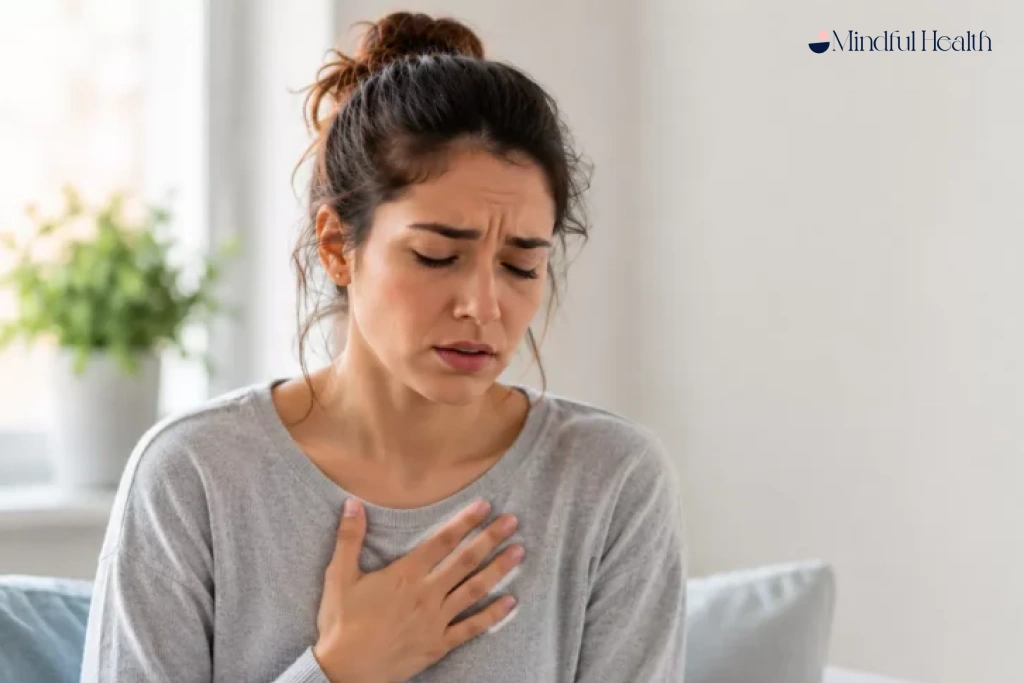
Anxiety does not only affect thoughts and emotions. It can also trigger noticeable physical symptoms throughout the body, some of which may be mistaken for signs of a medical condition.
A racing heartbeat, chest tightness, dizziness, nausea, sweating, muscle tension, and shortness of breath are common physical symptoms associated with anxiety disorders and chronic emotional stress. Some individuals may experience persistent physical discomfort for months or even years without realizing that anxiety may be contributing to their symptoms.
Ongoing physical discomfort can affect sleep, concentration, work performance, relationships, social activities, and overall quality of life. Physical anxiety symptoms may also increase fear, particularly when a person worries that something may be medically wrong. This fear can increase stress and may intensify the symptoms further.
Learn more about physical anxiety symptoms, how anxiety can affect the body, and strategies that may help reduce distress.
What Are Physical Anxiety Symptoms?
Physical anxiety symptoms are bodily responses that can occur when the nervous system is activated by stress, fear, or emotional overwhelm.
When anxiety triggers the fight-or-flight response, the body may react as though it is facing a physical threat, even when no immediate danger is present.
Common physical anxiety symptoms may include:
- Rapid heartbeat
- Sweating
- Muscle tension
- Dizziness
- Chest tightness
- Trembling
- Fatigue
- Headaches
- Nausea
- Shortness of breath
The intensity of these symptoms can vary depending on the individual, the situation, the severity of anxiety, and how long the symptoms have persisted.
Common Physical Symptoms of Anxiety
Anxiety can affect multiple body systems at the same time, which may make symptoms feel especially overwhelming.
Rapid Heartbeat and Palpitations
Anxiety can activate the body’s stress response and increase heart rate.
Some people may experience a pounding heartbeat, while others may notice fluttering, skipping, or other sensations associated with palpitations.
These symptoms can develop suddenly and may feel frightening, particularly when they occur unexpectedly.
Chest Tightness and Shortness of Breath
Muscle tension in the chest and changes in breathing patterns may contribute to chest tightness or shortness of breath.
Breathing may feel more difficult, shallow, or rapid during periods of anxiety. Because these symptoms can also occur with heart or respiratory conditions, they may sometimes cause additional concern.
Dizziness and Lightheadedness
Anxiety can change breathing patterns, sometimes without the person realizing it.
These changes may contribute to dizziness, lightheadedness, a floating sensation, or feelings of unsteadiness.
Muscle Tension and Body Pain
Anxiety can cause persistent muscle tension, particularly in the neck, shoulders, jaw, back, and chest.
Over time, this tension may contribute to stiffness, discomfort, headaches, or general body pain. In some cases, symptoms may not fully improve with pain relief when ongoing muscle tension is contributing to the discomfort.
Nausea and Stomach Problems
The stress response can significantly affect the digestive system.
Anxiety may contribute to nausea, cramping, bloating, appetite changes, or other digestive symptoms.
Some people experiencing chronic anxiety may have ongoing stomach discomfort without immediately recognizing the connection between emotional stress and physical symptoms.
Sweating and Trembling
Sweating, trembling, feeling unusually hot or cold, and shaking hands may occur when the stress response is activated.
These symptoms are involuntary and may become especially distressing in social or professional situations.
Fatigue and Physical Exhaustion
Persistent activation of the fight-or-flight response can be physically exhausting.
Chronic anxiety may contribute to fatigue, poor sleep, reduced energy, and a general feeling of physical exhaustion, even when no obvious stressful event has occurred.
How Physical Anxiety Symptoms Affect Daily Life
When physical symptoms occur frequently, they may gradually influence behavior, routines, and daily activities.
Creates Fear Around Physical Health
Physical anxiety symptoms can resemble symptoms associated with cardiac, respiratory, or neurological conditions.
Because of this overlap, concern about physical health is understandable. However, ongoing worry about symptoms may create additional stress and reinforce the anxiety cycle.
Increases Avoidance Behaviors
Some individuals may begin avoiding situations they associate with physical anxiety symptoms.
This can include driving, exercising, going to work, entering crowded places, or attending social events.
Avoidance may provide short-term relief, but over time it can limit daily activities and reinforce anxiety.
Affects Sleep and Recovery
Physical tension and increased nervous system activation can make it difficult to fall asleep or stay asleep.
The body may remain in a heightened state of alertness at night, leading to lighter or less restorative sleep.
Poor sleep can then increase fatigue and make anxiety more difficult to manage the following day.
Impacts Work and Social Functioning
Managing chest tightness, dizziness, nausea, or other physical symptoms can make it harder to concentrate, communicate, or participate comfortably in everyday activities.
Over time, physical anxiety symptoms may interfere with work performance, relationships, social functioning, and self-confidence.
Difference Between Anxiety Symptoms and Medical Emergencies
This distinction is important because anxiety can produce real physical symptoms, but similar symptoms may also occur during medical emergencies.
|
Symptoms |
Anxiety |
Medical Emergency |
|---|---|---|
|
Rapid heartbeat |
Common |
Possible |
|
Chest discomfort |
Common |
Possible |
|
Shortness of breath |
Common |
Possible |
|
Dizziness |
Common |
Possible |
|
Persistent severe pain |
Less common |
Urgent evaluation may be needed |
If symptoms are sudden, severe, unusual, or different from previous anxiety episodes, seek a medical evaluation.
It is not safe to assume that all physical symptoms are caused by anxiety. Once medical causes have been appropriately evaluated, understanding that anxiety may be contributing to symptoms can sometimes help reduce fear.
Effective Ways to Cope With Physical Anxiety Symptoms
Managing the physical effects of anxiety often involves strategies that help reduce physiological arousal and improve nervous system regulation.
Practice Controlled Breathing Techniques
Slow, controlled breathing may help reduce physical anxiety symptoms.
For some individuals, breathing slowly and extending the exhale can help reduce nervous system activation, lower feelings of tension, and make breathing feel more comfortable.
Improve Sleep and Recovery Habits
Consistent, restorative sleep supports both physical and nervous system recovery.
Maintaining regular sleep and wake times, including on weekends, may help regulate daily rhythms and support improved stress management.
Reduce Stimulants and Excessive Caffeine
Caffeine can increase heart rate and nervous system activity, which may intensify anxiety symptoms in some individuals.
Reducing caffeine intake, particularly later in the day, may help decrease physical stimulation and support better sleep.
Stay Physically Active Regularly
Regular physical activity may help reduce stress-related physiological arousal, improve mood, and decrease muscle tension.
Exercise does not need to be intense. Consistent moderate movement, such as walking, swimming, or cycling, may support overall mental and physical well-being.
Use Relaxation and Grounding Strategies
Mindfulness, progressive muscle relaxation, grounding exercises, and structured stress-management techniques may help reduce nervous system activation.
When practiced consistently, these strategies may help decrease the frequency or intensity of physical anxiety symptoms.
Avoid Constant Symptom Monitoring
Repeatedly checking your pulse, scanning the body for symptoms, or searching online for explanations can keep attention focused on physical sensations.
For some individuals, this increased monitoring may reinforce anxiety.
Learning to redirect attention and reduce repeated symptom checking can be an important part of managing the anxiety cycle.
Why Choose Mental Healthcare Experts for Physical Anxiety Recovery
Physical anxiety symptoms can feel frightening because they may resemble symptoms associated with serious medical conditions.
Chest tightness, dizziness, a pounding heartbeat, and difficulty breathing can lead individuals to seek medical evaluation, particularly when symptoms are new or unexplained.
When medical causes have been ruled out, anxiety and nervous system activation may help explain persistent physical symptoms.
Professional mental health support can help individuals understand these patterns and develop an appropriate treatment plan.
Accurate Anxiety Evaluation and Diagnosis
A mental health professional can evaluate whether physical symptoms may be associated with an anxiety disorder, panic disorder, chronic stress, or another emotional health concern.
A comprehensive evaluation can help clarify the factors contributing to the symptoms.
Personalized Anxiety Treatment Plans
Anxiety does not affect every person in the same way.
Triggers, symptom patterns, severity, personal history, and daily circumstances can all vary.
Professional treatment can be tailored to these individual factors rather than relying on a standardized approach.
Support for Panic Attacks and Nervous System Regulation
Panic attacks can be one of the most intense physical expressions of anxiety.
Professional support can help individuals understand what happens during a panic response and develop skills for managing physical sensations, fear, and emotional distress.
Therapy That Addresses Root Emotional Triggers
Physical anxiety symptoms may be influenced by emotional stress, fear patterns, trauma-related responses, and habitual ways of thinking.
Therapy can help individuals identify these patterns, develop healthier coping strategies, and work toward longer-term emotional regulation.
Medication Management When Necessary
For some individuals, medication may be considered as part of a broader anxiety treatment plan.
A psychiatric evaluation can help determine whether medication may be appropriate based on symptoms, medical history, treatment needs, and potential risks and benefits.
Long-Term Emotional and Physical Recovery Support
Managing chronic physical anxiety symptoms can take time.
Treatment may involve improving nervous system regulation, changing behavioral patterns, reducing avoidance, and developing a healthier relationship with physical sensations.
Consistent professional support can help make this process more structured and manageable.
Conclusion
Living with physical anxiety symptoms can be physically and emotionally exhausting.
Chest tightness, a racing heartbeat, dizziness, nausea, shortness of breath, and other physical sensations can be uncomfortable and frightening, especially when they occur repeatedly.
Over time, some individuals may begin adjusting their routines, avoiding certain situations, or worrying constantly about their health.
Meanwhile, untreated anxiety may continue to affect sleep, relationships, work, and overall quality of life.
If physical anxiety symptoms, panic attacks, chronic stress, or emotional overwhelm are affecting your daily life, Mindful Health provides personalized mental health care focused on long-term anxiety management and emotional wellness.
Our experienced mental health professionals help individuals manage panic symptoms, improve emotional stability, and strengthen daily functioning through therapy, psychiatry, medication management, and structured outpatient mental health support tailored to individual needs.
