



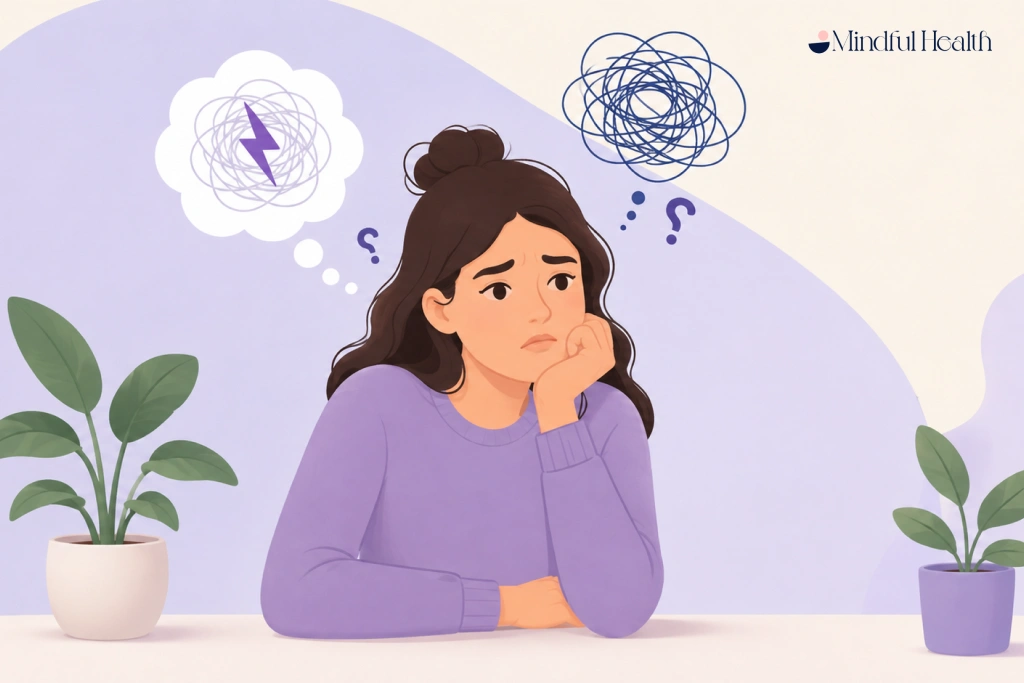
ADHD and anxiety commonly occur together. Although ADHD does not directly cause anxiety in every person, the challenges associated with ADHD can contribute to ongoing stress that may increase the likelihood of developing anxiety symptoms.
Difficulty staying organized, completing tasks, managing time, regulating emotions, and controlling impulsive behavior can make everyday responsibilities more challenging. When these difficulties continue over time, they may create ongoing stress, frustration, and worry.
In some cases, anxiety symptoms become more noticeable than the underlying ADHD symptoms. A person may seek treatment for worry, panic, or stress while ADHD remains unidentified.
When both conditions are present, they can affect many areas of life, including school, work, sleep, relationships, self-confidence, and emotional well-being.
Understanding how ADHD and anxiety are connected is an important first step toward finding treatment that addresses both conditions effectively.
What Is ADHD?
ADHD, or Attention-Deficit/Hyperactivity Disorder, is a neurodevelopmental condition that can affect attention, impulse control, organization, memory, executive functioning, and emotional regulation.
Common signs of ADHD may include:
- Difficulty focusing
- Forgetfulness
- Disorganization
- Racing thoughts
- Poor time management
- Emotional overwhelm
- Restlessness
- Impulsivity
These symptoms can appear at school, at work, in relationships, and throughout everyday life, sometimes making routine responsibilities more difficult to manage.
What Is Anxiety?
Anxiety involves more than occasional nervousness. It may include persistent worry, fear, or emotional tension accompanied by physical symptoms that interfere with everyday functioning.
Common anxiety symptoms may include:
- Persistent worrying
- Panic symptoms
- Restlessness
- Muscle tension
- Rapid heartbeat
- Difficulty sleeping
- Overthinking
- Emotional overwhelm
Anxiety can affect people in different ways. Its severity and impact on daily functioning may depend on individual triggers, circumstances, and overall mental health.
Can ADHD Cause Anxiety?
ADHD does not automatically cause anxiety. However, the ongoing challenges associated with ADHD may contribute to chronic stress, which can increase anxiety for some individuals.
Consider what unmanaged ADHD can look like in everyday life: missed deadlines, unfinished tasks, difficulty managing responsibilities, impulsive decisions, and emotional reactions that feel difficult to control.
Over time, these experiences may contribute to fear of failure, concern about being judged, and persistent worry about making another mistake.
Rather than developing from a single event, anxiety may gradually emerge after repeatedly struggling to keep up with responsibilities or expectations.
Why ADHD and Anxiety Commonly Occur Together
ADHD and anxiety can affect several overlapping areas, including emotional regulation, stress tolerance, nervous system responses, and cognitive functioning.
These similarities can make the two conditions difficult to distinguish without a comprehensive evaluation.
Chronic Stress From ADHD Symptoms
Forgetting responsibilities, losing track of tasks, arriving late, acting impulsively, and leaving projects unfinished can create significant stress over time.
When these experiences happen repeatedly, they may contribute to ongoing emotional strain and increased anxiety.
Fear of Failure and Judgment
Some people with ADHD develop persistent concerns about being viewed as unreliable or unsuccessful.
Worry about forgetting something important, missing another deadline, or disappointing someone may become an ongoing source of anxiety.
Emotional Dysregulation and Overwhelm
ADHD can affect how quickly emotions arise and how intensely they are experienced.
Frustration, irritability, stress sensitivity, and emotional exhaustion may become more difficult to manage, particularly during challenging situations.
Difficulty Managing Daily Responsibilities
Managing schedules, finances, communication, parenting responsibilities, or workplace demands relies heavily on executive functioning.
When executive functioning is impaired, everyday responsibilities may become a persistent source of emotional stress and anxiety.
Common Anxiety Symptoms Linked to ADHD
When anxiety occurs alongside ADHD, it can affect emotional health, physical well-being, relationships, work, and other areas of daily life.
Constant Overthinking
A person may repeatedly revisit past conversations, unfinished tasks, mistakes, or future concerns.
For individuals managing both ADHD and anxiety, these thought patterns may become difficult to interrupt.
Racing Thoughts and Mental Restlessness
ADHD may already make it difficult to slow down thoughts.
When anxiety is also present, worries may become more persistent, leaving the mind active even when the body feels physically tired.
Panic Symptoms During Stressful Situations
Periods of intense stress may trigger strong physical anxiety responses.
Symptoms may include:
- Rapid heartbeat
- Chest tightness
- Shortness of breath
- Dizziness
- Feelings of panic
These reactions may occur during meetings, crowded environments, tight deadlines, or other stressful situations.
Sleep Problems and Emotional Exhaustion
Anxiety can make it difficult for the nervous system to settle at night.
A person may lie awake thinking about unfinished tasks or future responsibilities, wake feeling tired, and carry that fatigue into the following day.
Social Anxiety and Low Confidence
Repeated challenges with communication, organization, or emotional regulation may gradually affect self-confidence.
Some people with ADHD may begin avoiding social situations because they associate them with embarrassment, criticism, or fear of failure.
How ADHD and Anxiety Affect Daily Life
When ADHD and anxiety occur together, their combined effects may interfere with several areas of everyday functioning.
Work and Academic Performance Problems
Difficulty concentrating can affect productivity and academic performance.
When anxiety about performance is added, it may become even harder to focus, manage deadlines, complete responsibilities, and maintain confidence.
Emotional Burnout and Mental Fatigue
Managing ADHD symptoms while constantly checking for mistakes, worrying about outcomes, and trying to stay organized can become emotionally exhausting.
Over time, this may contribute to irritability, reduced motivation, mental fatigue, and the feeling that it is difficult to fully catch up.
Relationship Challenges
Impulsivity, forgetfulness, emotional reactivity, and anxiety can all affect close relationships.
Forgetfulness may be misunderstood as a lack of caring, while anxiety may contribute to guarded or withdrawn communication. Over time, these patterns can create emotional distance.
Increased Avoidance Behaviors
When responsibilities or social situations become strongly associated with stress or fear of failure, avoidance may begin to feel easier than facing them.
A person may stop returning calls, postpone conversations, skip commitments, or withdraw from situations that feel emotionally overwhelming.
Difference Between ADHD-Related Anxiety and General Anxiety
ADHD-related anxiety and general anxiety can appear similar, but the situations that trigger symptoms and the underlying patterns may differ.
|
Factors |
ADHD-Related Anxiety |
General Anxiety |
|---|---|---|
|
Triggered by responsibilities |
Common |
Sometimes |
|
Executive dysfunction |
Strong |
Less common |
|
Disorganization |
Significant |
Moderate |
|
Racing thoughts |
Common |
Common |
|
Fear of failure |
Strong |
Variable |
Because symptoms can overlap, a professional evaluation is important for determining whether ADHD, anxiety, or both conditions may be present.
How ADHD and Anxiety Are Diagnosed
Diagnosis generally involves a thorough evaluation of symptoms, personal history, and the way these concerns have affected daily functioning over time.
Clinical Psychological Evaluations
A mental health specialist may review emotional history, concentration difficulties, behavioral patterns, and the effect that anxiety has had on everyday functioning.
ADHD and Anxiety Screening Assessments
Structured screening tools may be used to evaluate attention difficulties, executive dysfunction, emotional regulation, and anxiety symptoms.
These assessments can help clinicians better understand how different symptoms interact.
Reviewing Childhood and Adult Symptom History
ADHD evaluation often considers symptoms across different stages of life.
Childhood behaviors, school difficulties, attention patterns, and emotional regulation concerns may be reviewed to identify patterns that have continued into adulthood.
Treatment Options for ADHD and Anxiety
When ADHD and anxiety occur together, treatment may need to address attention, executive functioning, emotional regulation, and stress management rather than focusing on only one condition.
Therapy and Behavioral Support
Therapy can help individuals strengthen practical skills that ADHD and anxiety may affect, including emotional regulation, stress tolerance, organization, and healthier coping strategies.
Common therapy approaches may include:
- Cognitive Behavioral Therapy
- Dialectical Behavior Therapy
- ADHD coaching and executive functioning support
- Mindfulness-based therapy
The most appropriate approach depends on the individual’s symptoms and treatment goals.
Medication Management
Medication may be considered for some individuals experiencing ADHD, anxiety, or both conditions.
Depending on the diagnosis and individual needs, medications may include options such as:
- Adderall
- Vyvanse
- Strattera
- Zoloft
- Lexapro
Medication selection should be based on a professional evaluation, medical history, symptoms, and potential risks and benefits.
Any medication plan should be carefully prescribed and monitored by a qualified healthcare professional.
Habits That Support ADHD and Anxiety Management
Daily habits can complement professional treatment and support long-term management of ADHD and anxiety.
Helpful strategies may include:
- Maintaining structured daily routines
- Improving sleep and stress recovery
- Reducing overstimulation and mental clutter
- Building healthy emotional support systems
Consistency can make responsibilities easier to manage and may reduce some of the stress associated with both conditions.
Conclusion
Living with ADHD involves more than difficulty focusing. Everyday responsibilities may require significant mental effort, and repeated challenges with organization, time management, emotional regulation, and follow-through can become exhausting.
Over time, these experiences may contribute to anxiety, fear of failure, reduced confidence, and emotional burnout.
When ADHD and anxiety occur together, identifying both conditions is important because treating only one part of the problem may leave other symptoms unresolved.
For individuals looking for structured support for ADHD symptoms, anxiety disorders, panic symptoms, emotional instability, or ongoing mental exhaustion, Mindful Health provides personalized mental health care focused on emotional well-being, cognitive health, and sustainable daily functioning.
Our mental health professionals work with individuals to improve emotional balance, strengthen focus, reduce anxiety-related distress, and build healthier routines through therapy, psychiatry, medication management, and structured outpatient mental health support.
