




Smiling depression is a high-functioning form of depressive illness in which individuals appear outwardly stable, successful, and emotionally composed while privately experiencing persistent sadness, emotional numbness, and psychological exhaustion. Although not a formal DSM-5 diagnosis, it commonly overlaps with major depressive disorder (MDD) or persistent depressive disorder (dysthymia). Patients maintain careers, relationships, and daily responsibilities—yet internally struggle with anhedonia, low self-worth, sleep disruption, and chronic stress activation.
Unlike stereotypical depression presentations marked by visible withdrawal, smiling depression is masked by productivity and social engagement. Neurobiologically, it reflects dysregulation between the amygdala (emotional threat processing center) and the dorsolateral prefrontal cortex (DLPFC), which governs executive control and emotional suppression. Because symptoms are concealed, individuals with high functioning depression variations often delay seeking treatment for depression, increasing long-term neurobiological burden and functional decline.
The Pathophysiology: The Brain Behind the Mask
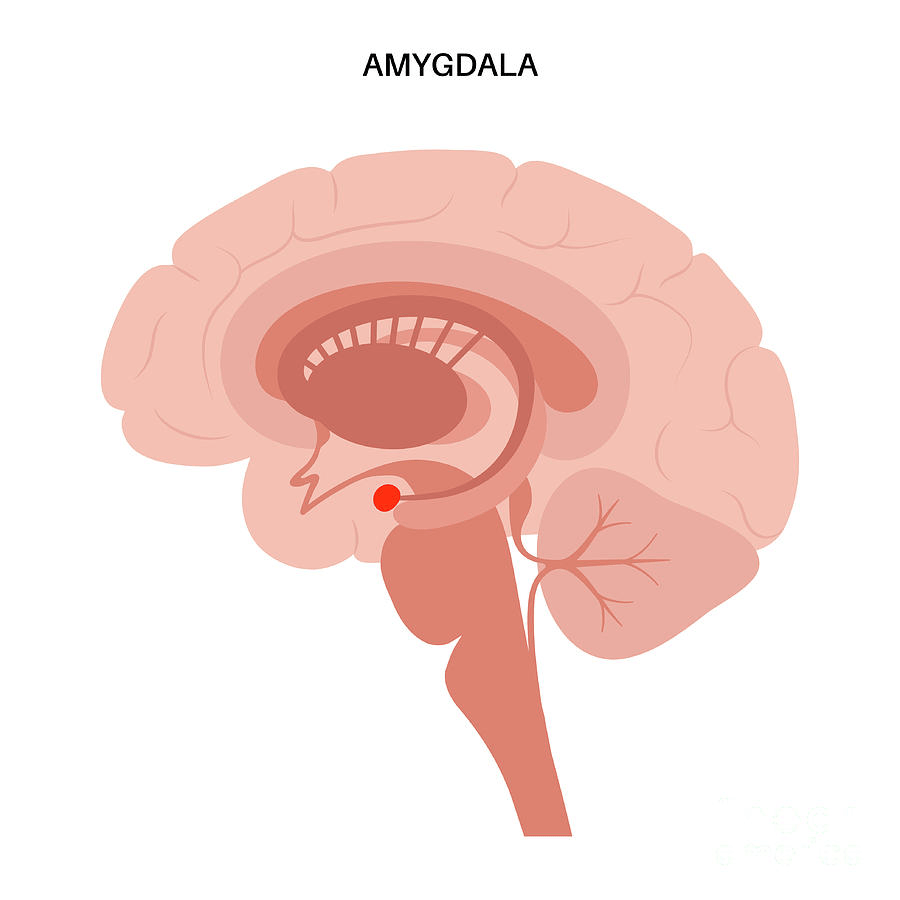
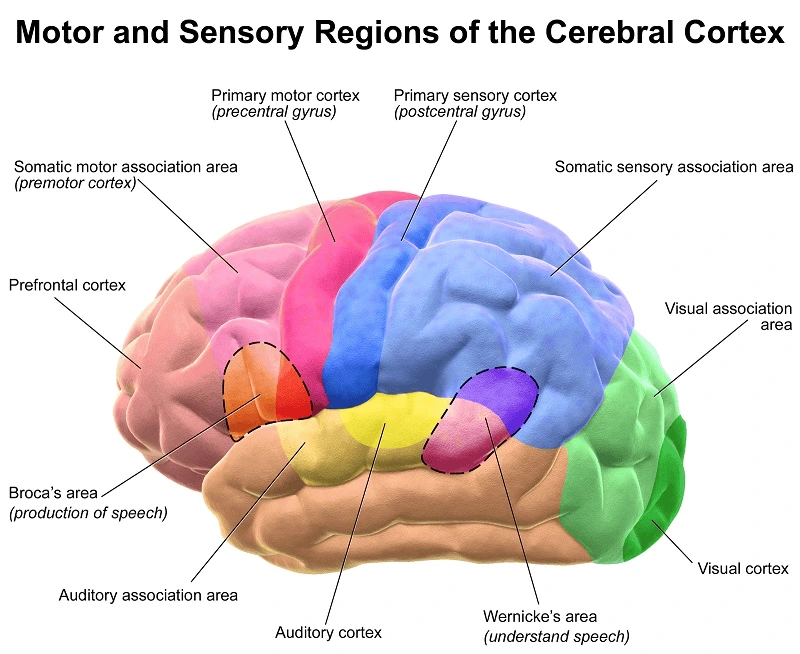
Depression is fundamentally a disorder of neural circuitry, not a deficit of character or resilience. In smiling depression, the pathology is more subtle because executive functioning remains operational. The patient can meet deadlines, attend social events, and fulfill obligations. However, these behaviors are sustained through compensatory cortical overactivation rather than emotional health.
The amygdala, located within the medial temporal lobe, plays a central role in emotional salience detection. In depressive states, neuroimaging demonstrates hyperactivity in the amygdala, particularly in response to negative social stimuli. Individuals with smiling depression frequently experience heightened internal sensitivity to perceived criticism or rejection—even when outwardly composed.
The dorsolateral prefrontal cortex (DLPFC) functions as the regulatory governor of the brain. It modulates emotional impulses and supports planning, reasoning, and impulse inhibition. In high functioning depression variations, the DLPFC works overtime to suppress limbic distress signals. Rather than resolving emotional processing, the brain enforces containment.
This imbalance leads to several downstream effects:
- Chronic cortisol elevation due to sustained hypothalamic-pituitary-adrenal (HPA) axis activation
- Reduced dopaminergic reward signaling contributing to anhedonia
- Serotonergic dysregulation affecting mood stability
- Norepinephrine fluctuations impairing concentration and alertness
Over time, prolonged suppression alters neuroplasticity. Synaptic pruning within the prefrontal cortex may occur in chronic untreated depression. Meanwhile, inflammatory cytokines such as interleukin-6 (IL-6) and tumor necrosis factor-alpha (TNF-α) are often elevated, linking depression to systemic inflammatory processes.
Sleep architecture becomes disrupted, particularly REM latency and slow-wave sleep restoration. Patients commonly report fatigue despite adequate hours in bed. Cognitive fog, irritability, and decreased emotional bandwidth follow.
What makes smiling depression clinically concerning is the adaptive illusion of wellness. Because occupational and social roles remain intact, the severity of internal suffering is underestimated—sometimes even by the patient. The brain’s regulatory systems become increasingly strained, and eventual decompensation may present abruptly.
Functioning While Emotionally Depleted
Smiling depression often emerges in high-achieving individuals. Professionals, caregivers, entrepreneurs, and students may equate worth with productivity. In Texas communities where growth and performance are culturally valued, internal distress may be minimized.
Patients frequently describe:
- Emotional detachment in intimate relationships
- Reduced pleasure in previously rewarding activities
- Increased irritability masked by politeness
- Somatic symptoms such as headaches or gastrointestinal discomfort
- Persistent self-criticism despite success
The cognitive load is substantial. Maintaining outward composure requires sustained executive control. This constant regulation consumes mental bandwidth, reducing capacity for creativity, empathy, and spontaneous joy.
In the long term, untreated smiling depression can evolve into major depressive episodes, anxiety disorders, or burnout syndromes. Early identification and structured depression therapy significantly reduce relapse rates and improve neural resilience.
Treatment for Depression: Evidence-Based Options
Effective treatment for depression requires a multimodal, individualized approach. Smiling depression often responds well to interventions that target both neural circuitry and cognitive patterns.
Core Modalities in Depression Therapy
Treatment Modality | Mechanism | Ideal Candidates | Clinical Notes |
Cognitive Behavioral Therapy (CBT) | Restructures maladaptive cognition | High-functioning individuals | Strong evidence base |
SSRIs/SNRIs | Increase serotonin/norepinephrine availability | Moderate symptoms | 4–6 week onset |
TMS (Transcranial Magnetic Stimulation) | Stimulates DLPFC to restore balance | Medication-resistant cases | Non-invasive |
Ketamine Therapy | Modulates glutamate and synaptogenesis | Severe or rapid-relief need | Rapid effect profile |
Psychotherapy remains foundational. Cognitive Behavioral Therapy addresses perfectionism, emotional suppression, and distorted achievement schemas common in smiling depression. Acceptance and Commitment Therapy (ACT) may also improve emotional authenticity.
Medication management can restore neurotransmitter balance when symptoms are moderate to severe. Selective serotonin reuptake inhibitors (SSRIs) increase synaptic serotonin availability, stabilizing mood regulation circuits. For some patients, serotonin-norepinephrine reuptake inhibitors (SNRIs) improve energy and concentration.
Interventional psychiatry options such as Transcranial Magnetic Stimulation (TMS) directly stimulate the DLPFC, helping recalibrate prefrontal-limbic connectivity. Ketamine therapy promotes rapid synaptic plasticity via glutamatergic modulation, often improving anhedonia within days.
Smiling Depression vs. Classic Major Depression
Feature | Classic Major Depression | Smiling Depression |
Visible Withdrawal | Common | Rare |
Occupational Impairment | High | Often minimal |
Emotional Expression | Open sadness | Masked distress |
Help-Seeking Behavior | More likely | Delayed |
Risk of Sudden Crisis | Moderate | Elevated due to concealment |
The concealment factor significantly increases risk because friends, family, and colleagues may not recognize warning signs. Structured evaluation is critical.
Clinical Indicators That Should Not Be Ignored
While smiling depression can appear subtle, several red flags warrant professional evaluation:
- Persistent emptiness despite external success
- Chronic fatigue without medical cause
- Loss of joy in hobbies or relationships
- Heightened irritability or internal restlessness
- Thoughts of hopelessness, even if fleeting
Early intervention improves neuroplastic recovery and reduces inflammatory burden.
Mindful Health’s Commitment to Texas Residents
Mindful Health delivers comprehensive treatment for depression in Cypress and across physical clinical suites and virtual platforms throughout Texas. Our San Antonio clinic near the River Walk and our Georgetown clinic location near The Square anchor access points for residents in the Alamo City and Williamson County growth corridor.
Expanding across the Cypress-to-Conroe corridor via TX-99 and I-45, we serve patients navigating high-demand professional environments. Communities in 78201, 78209, and 77429 benefit from proximity-based scheduling combined with secure telepsychiatry.
Services Offered
- Comprehensive psychiatric evaluations
- Evidence-based depression therapy (CBT, ACT)
- Medication management
- TMS targeting the DLPFC
- Ketamine-assisted therapy
- Statewide virtual psychiatric care
Our hybrid delivery model ensures continuity whether patients reside in Rockwall, Heath, San Antonio, Cypress, Georgetown, or Conroe.
Why High-Functioning Patients Respond Well to Structured Care
Smiling depression patients often thrive in structured environments. Treatment plans that include measurable milestones, symptom tracking, and neurobiological education align well with their cognitive strengths.
Therapeutic goals typically include:
- Reducing emotional suppression
- Restoring reward sensitivity
- Improving sleep architecture
- Lowering cortisol and stress activation
- Enhancing relational presence
Depression therapy is not about reducing productivity; it is about restoring emotional vitality alongside functional success.
Conclusion: You Don’t Have to Perform Wellness
Smiling depression is clinically complex because it hides beneath competence. The amygdala remains hyperactive. The DLPFC compensates through suppression. The individual appears stable—yet emotionally depleted.
Untreated depression reshapes neural circuitry and erodes quality of life over time. Early, evidence-based intervention restores balance, reduces neuroinflammation, and protects cognitive resilience.
Mindful Health stands as the definitive destination for treatment for depression and advanced depression therapy across San Antonio, Georgetown, Cypress, Conroe, Rockwall, and Heath. Through diagnostic precision, medication management, TMS, ketamine therapy, and statewide virtual services, we treat both the visible and invisible dimensions of depression.
You deserve more than appearing fine. You deserve to feel well.
Brand-Integrated FAQ Mega-Section
What is the best treatment for depression if I appear high-functioning?
Mindful Health provides individualized treatment for depression at our San Antonio clinic to help residents near the River Walk receive comprehensive evaluations that align therapy, medication, and interventional options with functional lifestyles.
Does depression therapy work for smiling depression?
Yes. Mindful Health provides structured depression therapy at our Georgetown clinic near The Square to help residents address emotional masking, perfectionism, and chronic stress patterns through CBT and integrative approaches.
When should I consider TMS or ketamine therapy?
Mindful Health provides TMS and ketamine-assisted treatment at our Cypress and Conroe locations to help residents along TX-99 and I-45 who have not responded adequately to traditional medication management.
Can I access virtual treatment for depression in Texas?
Mindful Health provides secure virtual psychiatric services to residents in Rockwall, Heath, and across Texas, ensuring continuity of care without geographic limitations.
How do I know if I have smiling depression?
Mindful Health provides comprehensive psychiatric evaluations at all Texas locations to help patients in 78201, 78209, and 77429 receive diagnostic clarity and personalized care plans.
