



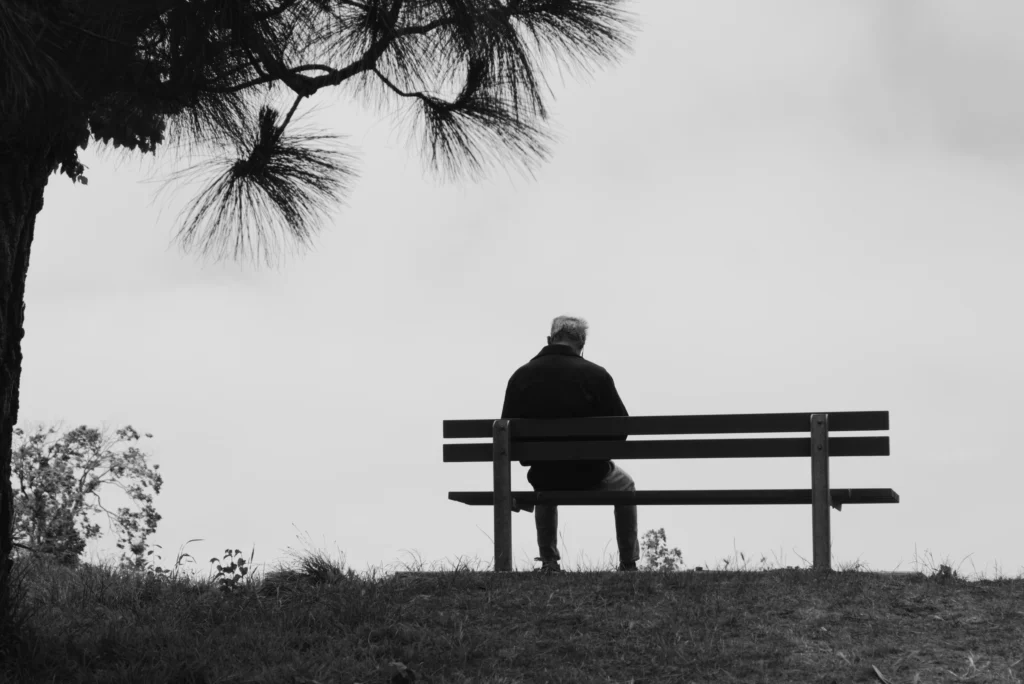
As we age, maintaining social connections can become increasingly difficult. Retirement, health issues, the loss of loved ones, and mobility challenges can lead to feelings of loneliness and social isolation. While occasional solitude can be peaceful, prolonged isolation can significantly impact mental and physical health. Therapy and proactive strategies can help older adults build meaningful connections, regain confidence, and improve overall well-being.
Understanding Loneliness and Social Isolation
While often used interchangeably, loneliness and social isolation are different:
Loneliness: A subjective feeling of being disconnected, even when surrounded by others.
Social Isolation: The objective state of having limited social contacts or interactions.
Both can profoundly affect older adults, contributing to depression, anxiety, and cognitive decline. Prolonged isolation may increase cardiovascular risks and reduce life expectancy.
Why Older Adults Are Vulnerable
Several factors make older adults more susceptible to loneliness:
Loss of Spouse or Friends
The passing of loved ones creates emotional voids and disrupts social routines.
Retirement and Reduced Social Contact
Leaving the workforce may reduce daily interactions with colleagues and community members.
Mobility and Health Limitations
Chronic illnesses, physical limitations, or transportation challenges can restrict social activities.
Technological Barriers
Older adults may find it harder to use smartphones, social media, or virtual meeting platforms, limiting digital connections.
Recognizing Signs of Loneliness and Isolation
Early detection is crucial. Common indicators include:
Withdrawal from social activities
Feeling sad, anxious, or unmotivated
Increased irritability or frustration
Sleep disturbances
Decline in self-care or daily routines
The Impact on Mental Health
Loneliness and social isolation are closely linked to depression, anxiety, and cognitive decline. Older adults may experience:
Persistent sadness or hopelessness
Decreased motivation and energy
Increased chronic stress
Reduced cognitive function and memory problems
Therapy can help address these challenges by providing support, coping strategies, and practical solutions to reconnect with others.
How Therapy Can Help
Therapy for older adults experiencing loneliness focuses on emotional support and practical skills:
Individual Counseling
Safe, judgment-free environment
Explore feelings of sadness, grief, or anxiety
Identify patterns of withdrawal
Develop coping strategies
Cognitive Behavioral Therapy (CBT)
Recognize negative thought patterns that worsen isolation
Reframe thoughts to encourage social engagement
Set achievable social goals
Group Therapy
Share experiences with peers facing similar challenges
Practice social skills in a supportive environment
Increase sense of belonging and reduce loneliness
Teletherapy and Virtual Support
One-on-one counseling from home
Participate in online group sessions
Access therapists without leaving home
Practical Strategies to Combat Loneliness
Pairing therapy with daily habits enhances results:
Stay Connected with Family and Friends
Regular calls, video chats, or letters maintain bonds.
Join Clubs or Community Programs
Senior centers, hobby clubs, or volunteer opportunities provide social interaction.
Engage in Physical Activity
Group exercise classes or walking groups encourage movement and socialization.
Explore Online Communities
Virtual classes, interest groups, and forums provide meaningful connections.
Practice Mindfulness and Self-Compassion
Meditation, journaling, or creative hobbies reduce stress and improve emotional resilience.
Case Study: Mary’s Journey
Mary, a 72-year-old retiree, struggled with loneliness after losing her husband. She rarely left home and avoided family gatherings. After starting therapy at Mindful Health, she:
Participated in weekly group sessions with peers
Learned coping strategies through CBT to manage negative thoughts
Joined a virtual book club and local senior art classes
Within months, Mary felt more connected, confident, and motivated. Her mood improved, and she experienced less anxiety and sadness.
Mindful Health: Supporting Older Adults in Texas
Mindful Health provides specialized therapy for older adults facing loneliness and social isolation. Our approach combines emotional support with practical strategies to help seniors reconnect with life and others.
Our services include:
Individual therapy for depression and anxiety
Group therapy for social engagement
Teletherapy for home-based support
Guidance on community and virtual activities to combat isolation
Available in Cypress, Georgetown, Heath, Rockwall, San Antonio, and virtually.
Final Thoughts
Loneliness and social isolation are serious issues for older adults but are not inevitable. With therapy, supportive strategies, and proactive engagement, seniors can build meaningful connections, improve mental health, and enjoy a fulfilling life.
Taking the first step—reaching out for professional support—can transform the experience of aging from isolation to connection, empowerment, and emotional well-being.
